


Root Canal Treatment
Save your natural tooth with precise, comfortable care designed to restore health and function.
What Is Root Canal Treatment?
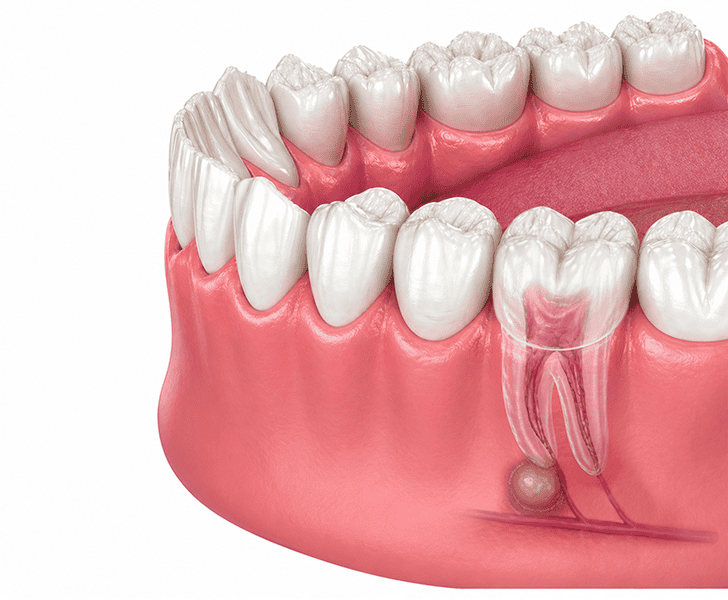
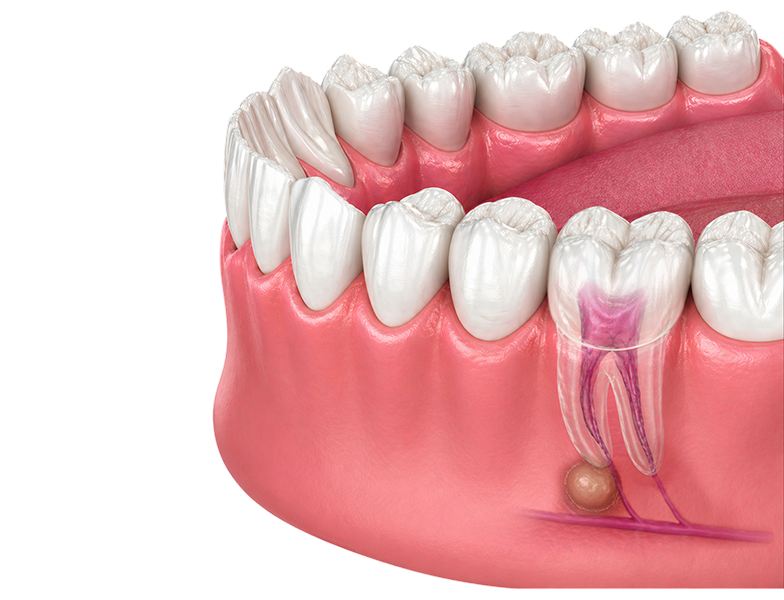
Understanding Root Canal Treatment
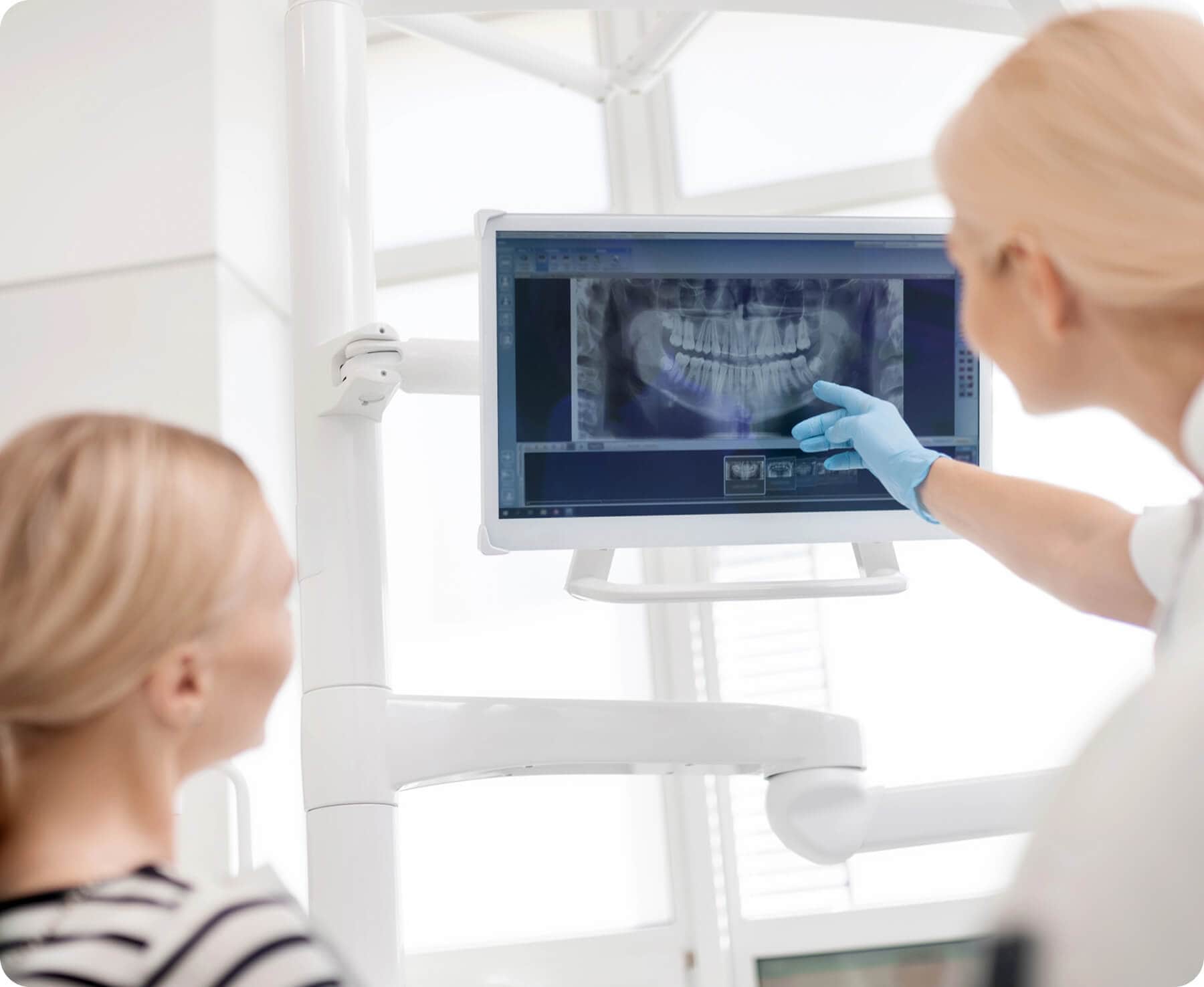
At Mountain View Endodontics, specialized techniques, advanced imaging, and enhanced visualization allow us to diagnose and treat the internal structure of the tooth with greater precision, while careful anesthesia, gentle techniques, and an attentive approach help make treatment as comfortable as possible.
Signs You May Need a Root Canal
Symptoms that may indicate inflammation or infection inside the tooth
Signs that the pulp inside a tooth may be damaged, inflamed, or infected include:

The Root Canal Treatment Process
Diagnosis
Your tooth is carefully evaluated using a clinical examination and digital imaging to determine the source and extent of the problem and whether root canal treatment is the appropriate way to save the tooth.
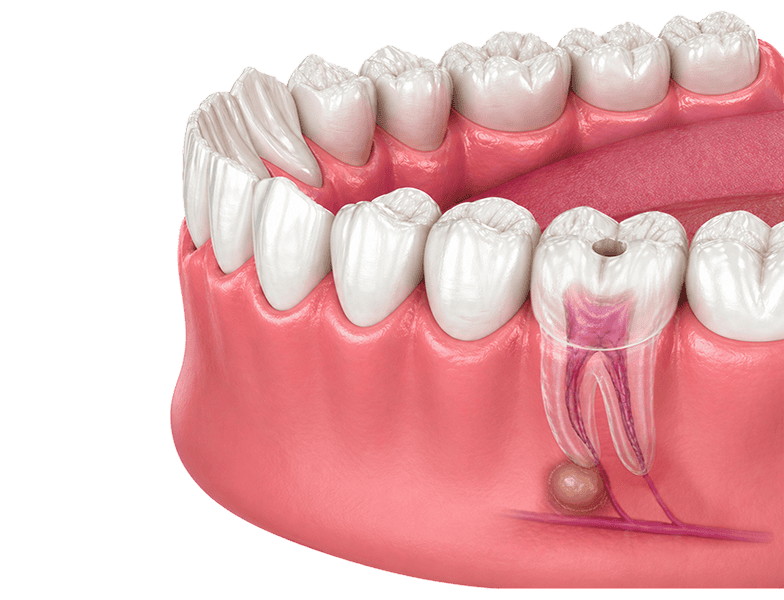
Access Opening
A small opening is created in the tooth to provide precise access to the pulp chamber and root canal system while preserving as much healthy tooth structure as possible.
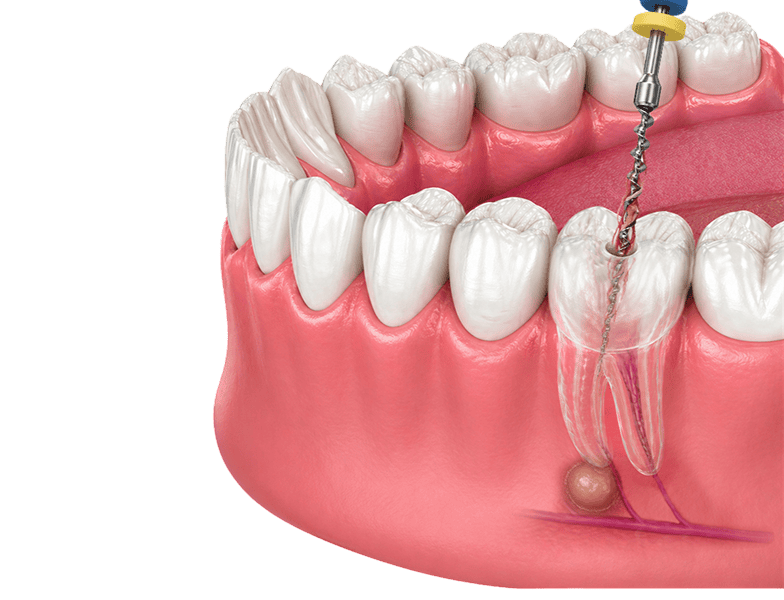
Infected Tissue Removal
Inflamed or infected pulp tissue is carefully removed from inside the tooth, eliminating the damaged tissue and providing access to the full root canal system.
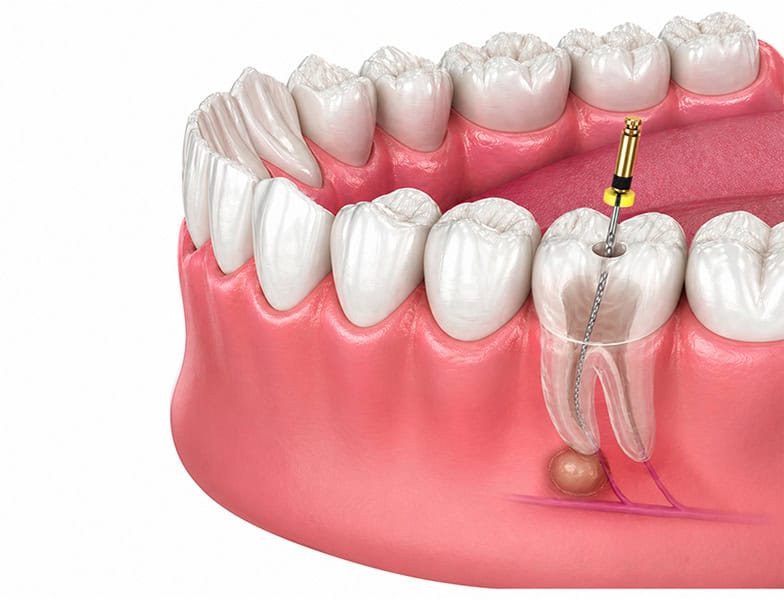
Cleaning & Shaping the Canals
Specialized instruments are used to clean and shape each canal, creating the appropriate internal space for thorough disinfection and sealing.
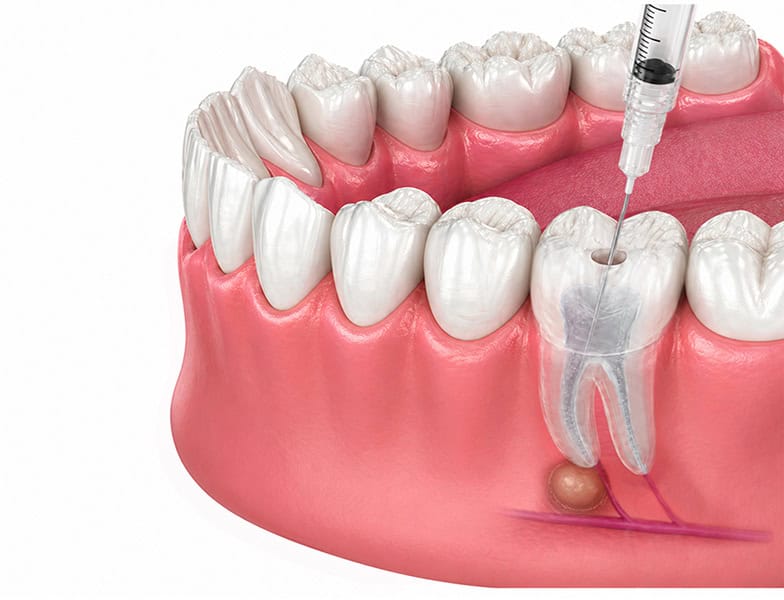
Canal Irrigation & Disinfection
The canals are thoroughly irrigated with antimicrobial solutions to remove remaining bacteria, tissue debris, and contaminants from areas that instruments alone cannot reach.
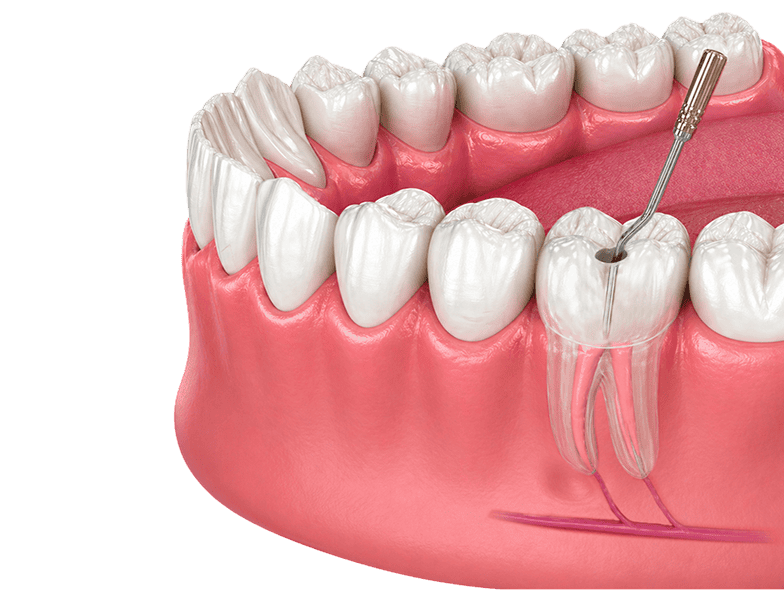
Root Canal Filling & Sealing
The cleaned canals are filled with a biocompatible material called gutta-percha and sealed to help prevent reinfection and protect the tooth from further damage.
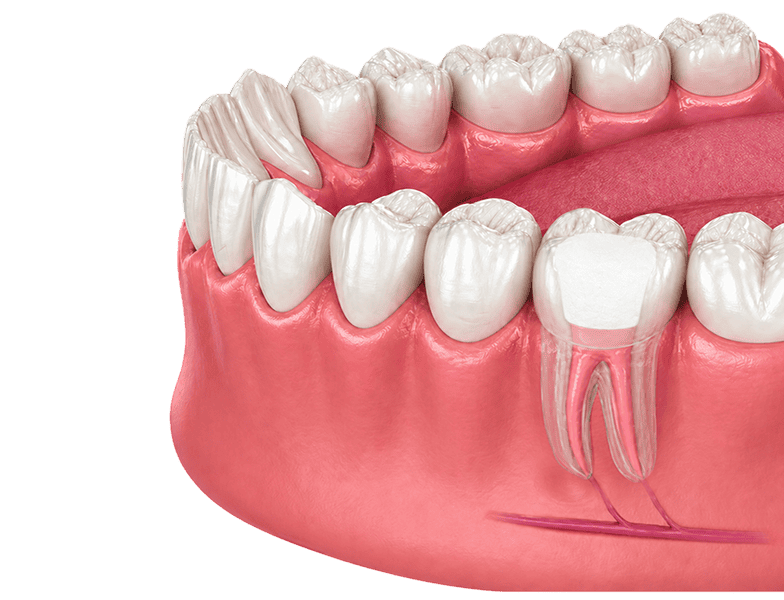
Temporary Restoration
A temporary restoration may be placed over the access opening to protect the tooth until the permanent restoration is completed.
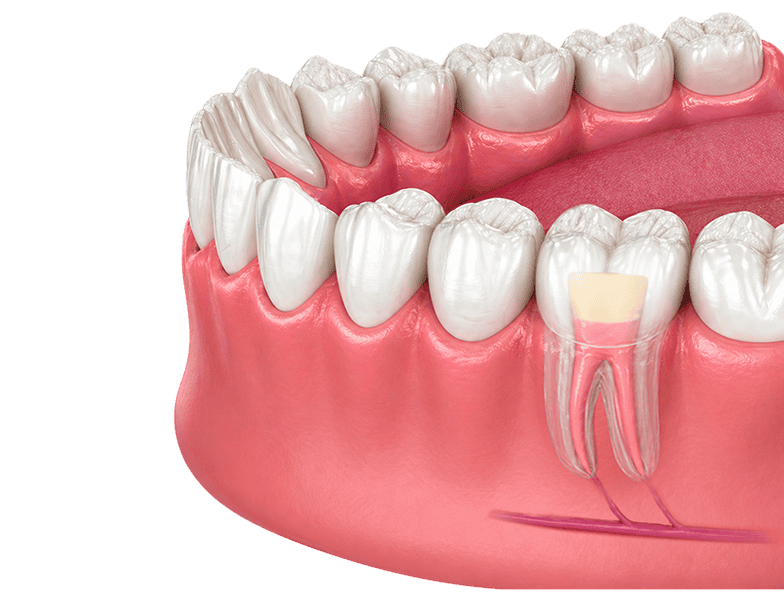
Permanent Restoration
Your dentist typically completes the final restoration, such as a crown when indicated, to protect the treated tooth and restore its strength and function.
See How Root Canal Treatment Works
See each stage of treatment, from accessing the tooth to cleaning, disinfecting, and sealing the root canal system.
Recovery After Treatment

What to expect as your tooth settles after treatment
Most patients find that recovery after root canal treatment is easier than expected and they are able to return to their usual activities with little disruption. Some temporary tenderness or sensitivity around the treated tooth can be normal as the surrounding tissues settle and heal, and these symptoms generally improve with recovery.
After root canal treatment, most patients experience:
Hear From Our Patients
“I was sent to Dr. Kim as an urgent referral from my dental surgeon after suffering trauma to my mouth. Dr. Kim’s front office staff fit me in immediately, and were very friendly! Dr. Kim was very thorough, gentle, kind and very compassionate! I wholeheartedly recommend Dr. Saehee Kim and Mountain View Endodontics!!”
“Honestly, this is the best dental experience I’ve ever had! Everything was super quick, smooth, and efficient. The front desk, nurse, and doctor were all so kind, gentle, and patient — I didn’t feel any pain at all! The doctor gave clear step-by-step guidance, which made me feel really comfortable even though I usually get nervous at the dentist. It was over way faster than I expected, and everything went perfectly.”
“Dr. Kim was wonderful. She explained everything thoroughly about the treatment and her touch was gentle yet professional. During the treatment, I did not have any discomfort. The staff was really friendly and helpful from the start to the end.
The office was clean and pleasant with full of tech-friendly equipment.
I would recommend her to anyone.”
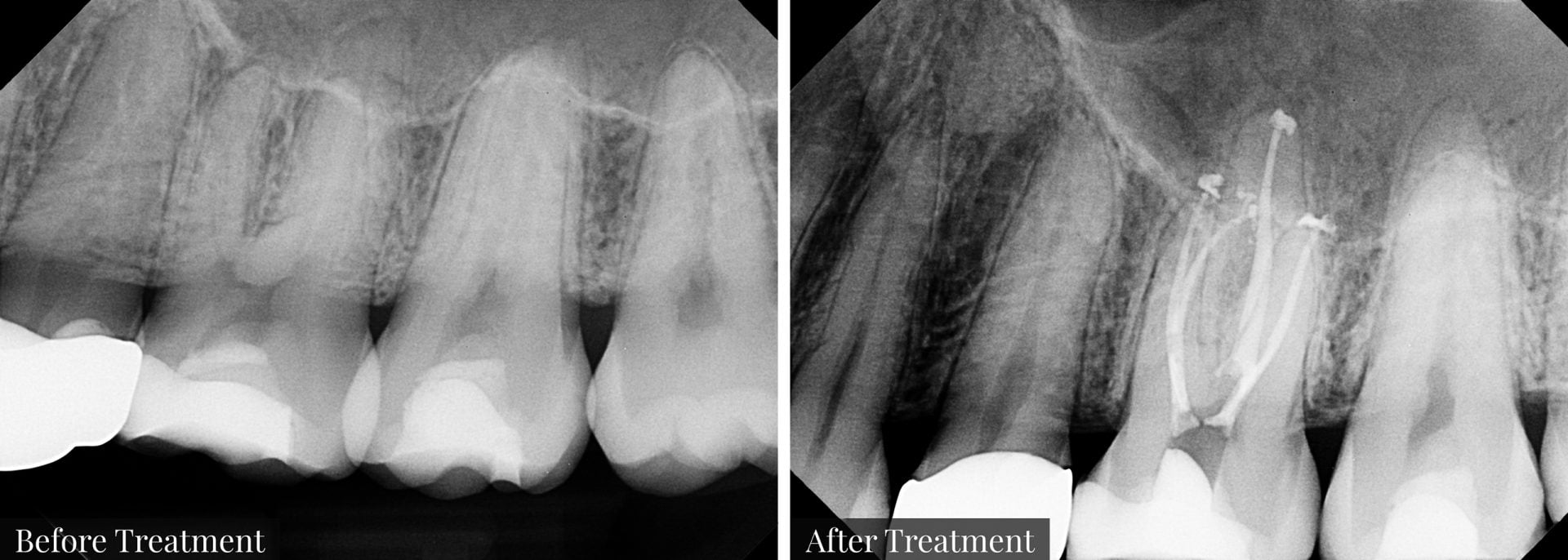
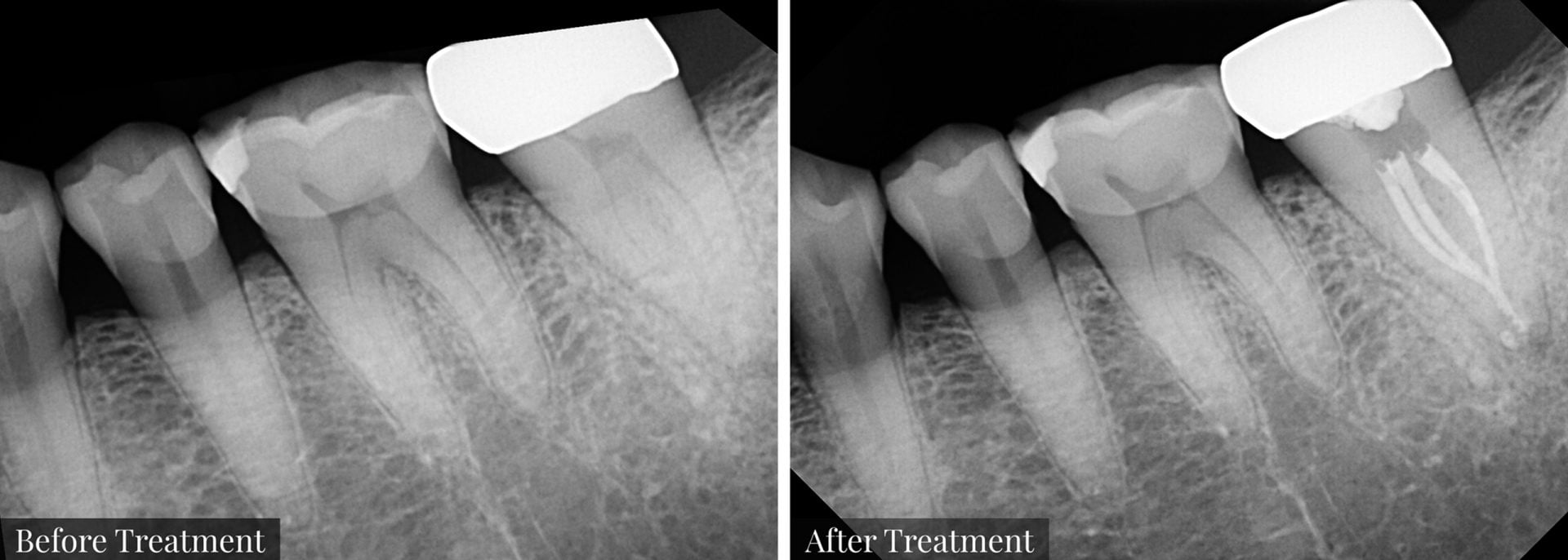
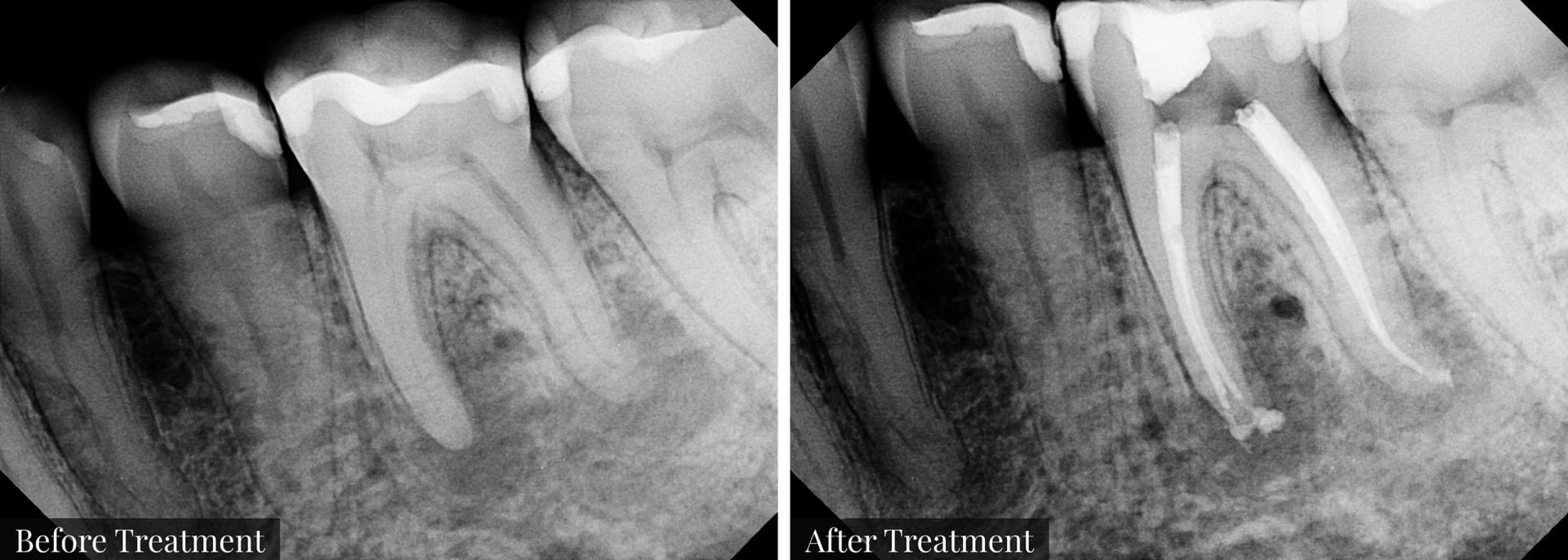
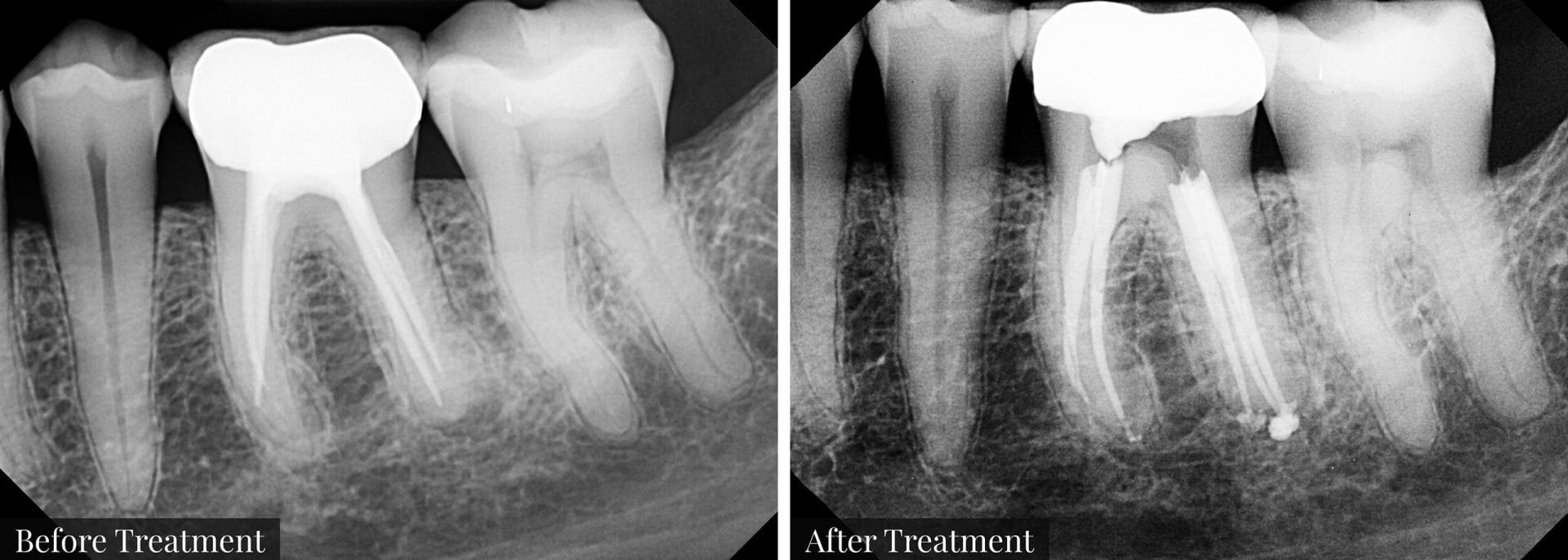
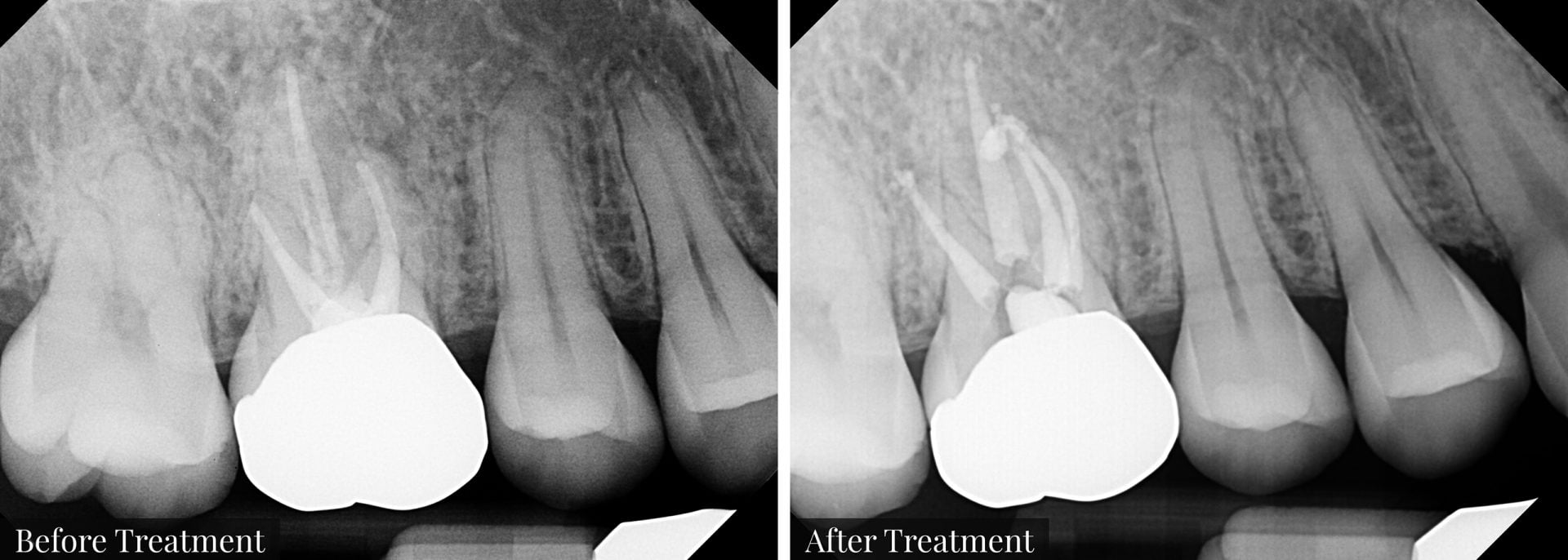
Clinical Treatment Results


Frequently Asked Questions
Common questions about treatment and recovery

Is a root canal painful?
Modern root canal treatment is designed to relieve pain, not cause it. With local anesthesia and advanced techniques, most patients experience little to no discomfort during the procedure.
How long does a root canal take?
Most root canal treatments can be completed in one to two visits, depending on the tooth and level of infection. Appointments typically last between 60 to 90 minutes. Your endodontist will recommend the best treatment approach for your specific case.
How long does a treated tooth last?
With proper care and regular dental checkups, a treated tooth can last for many years — often a lifetime. A permanent crown or restoration helps protect the tooth and restore normal function. Good oral hygiene is key to long-term success.
When can I eat after the procedure?
You can usually eat once the numbness has fully worn off to avoid accidentally biting your cheek or tongue. Soft foods are recommended for the first day, especially if the tooth feels sensitive. Avoid chewing on the treated tooth until your final restoration is completed.

Expert Care When You Need It Most
Advanced endodontic treatment focused on saving natural teeth and restoring comfort.