


Endodontic Surgery
Target infection at the root tip with precise surgical care designed to preserve your natural tooth.
What is Endodontic Surgery?
Understanding Endodontic Surgery
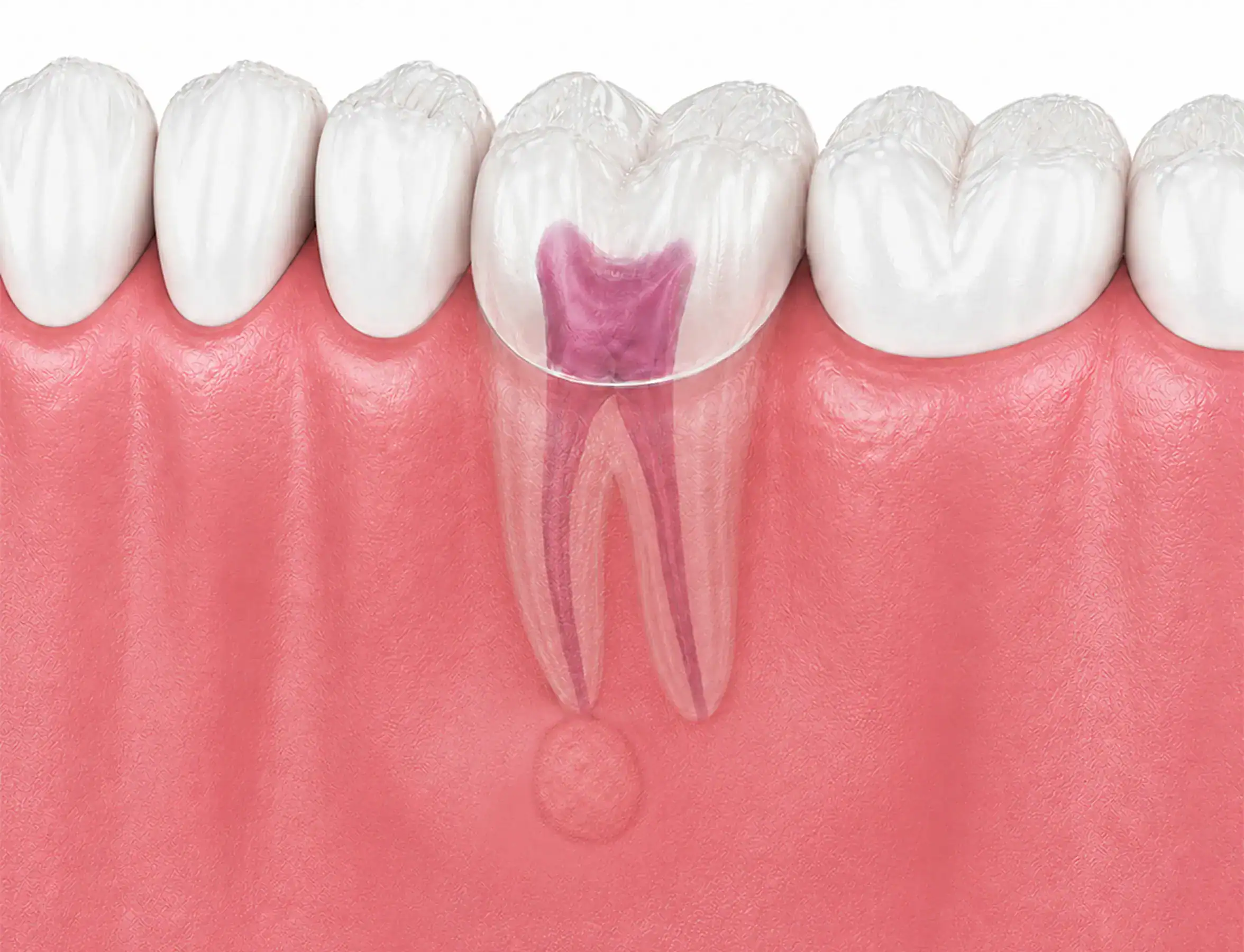
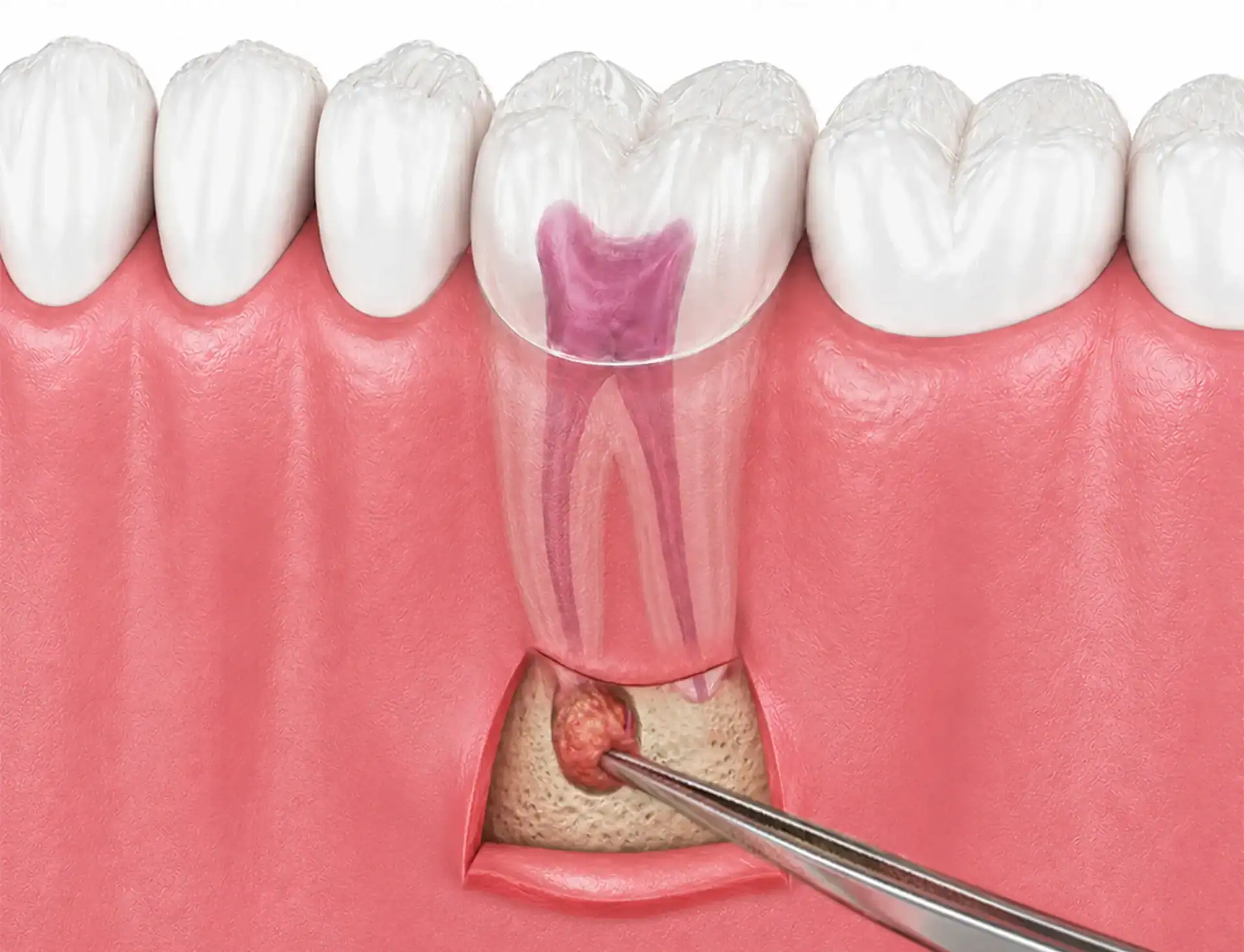
Endodontic surgery may be recommended when inflammation or infection persists around the root of a tooth despite previous root canal treatment. The most common procedure, an apicoectomy, allows the endodontist to directly access the root tip, remove the affected tissue and a small portion of the root, and seal the root end.
At Mountain View Endodontics, enhanced magnification, advanced imaging, and microsurgical techniques allow us to work precisely within a very small treatment area while preserving the surrounding structures and the natural tooth whenever possible.
Signs You May Need Endodontic Surgery

Signs that a previously treated tooth may need surgical evaluation
Endodontic surgery may be considered when a previously treated tooth continues to show signs of inflammation or infection, including:

The Endodontic Surgery Process
Evaluation & Diagnosis
A clinical examination and detailed imaging are used to evaluate the previously treated tooth, surrounding bone, and root anatomy and determine whether endodontic surgery is the appropriate next step.
Accessing the Treatment Site
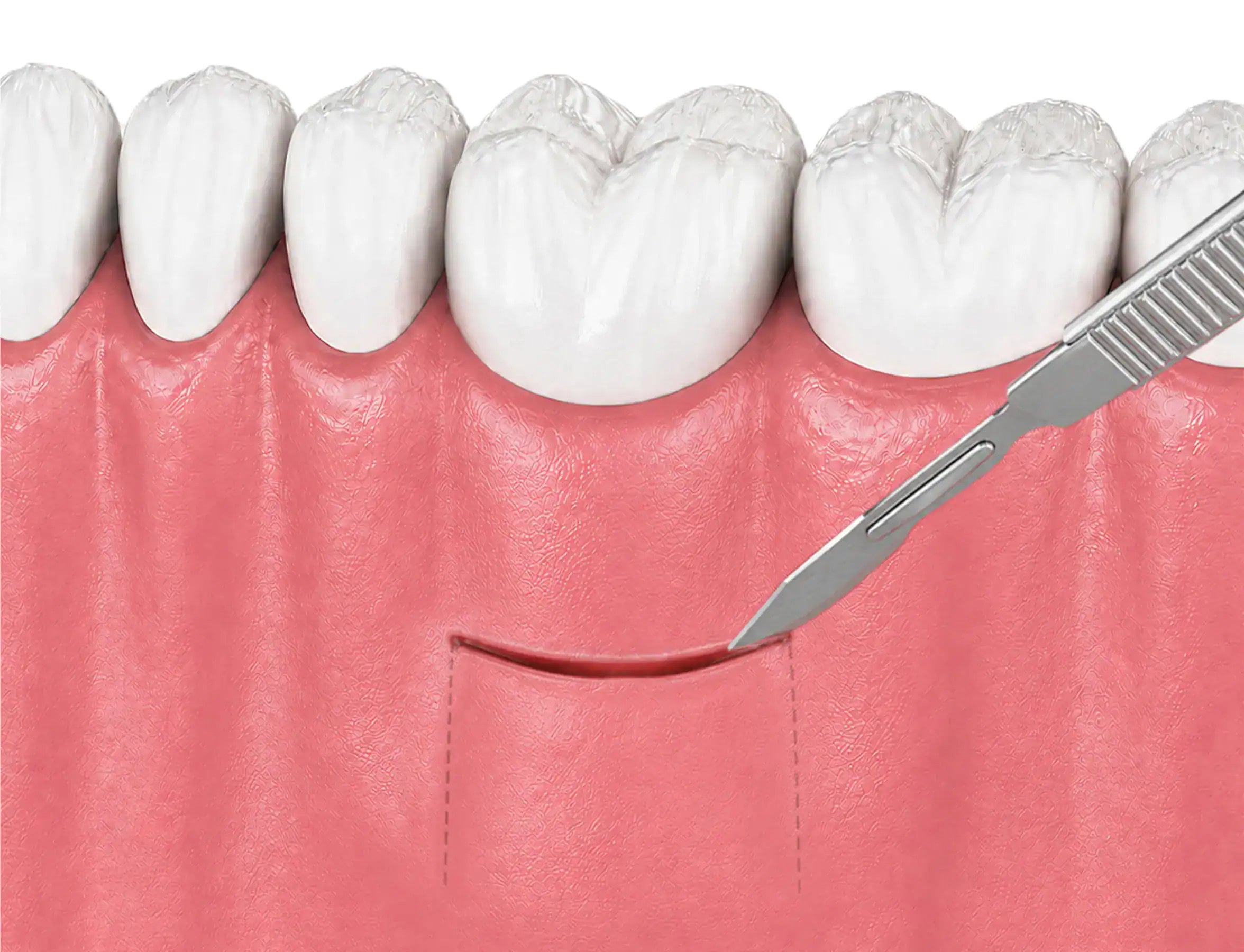
A small incision is made in the gum tissue near the affected tooth to provide direct access to the underlying bone and root tip.
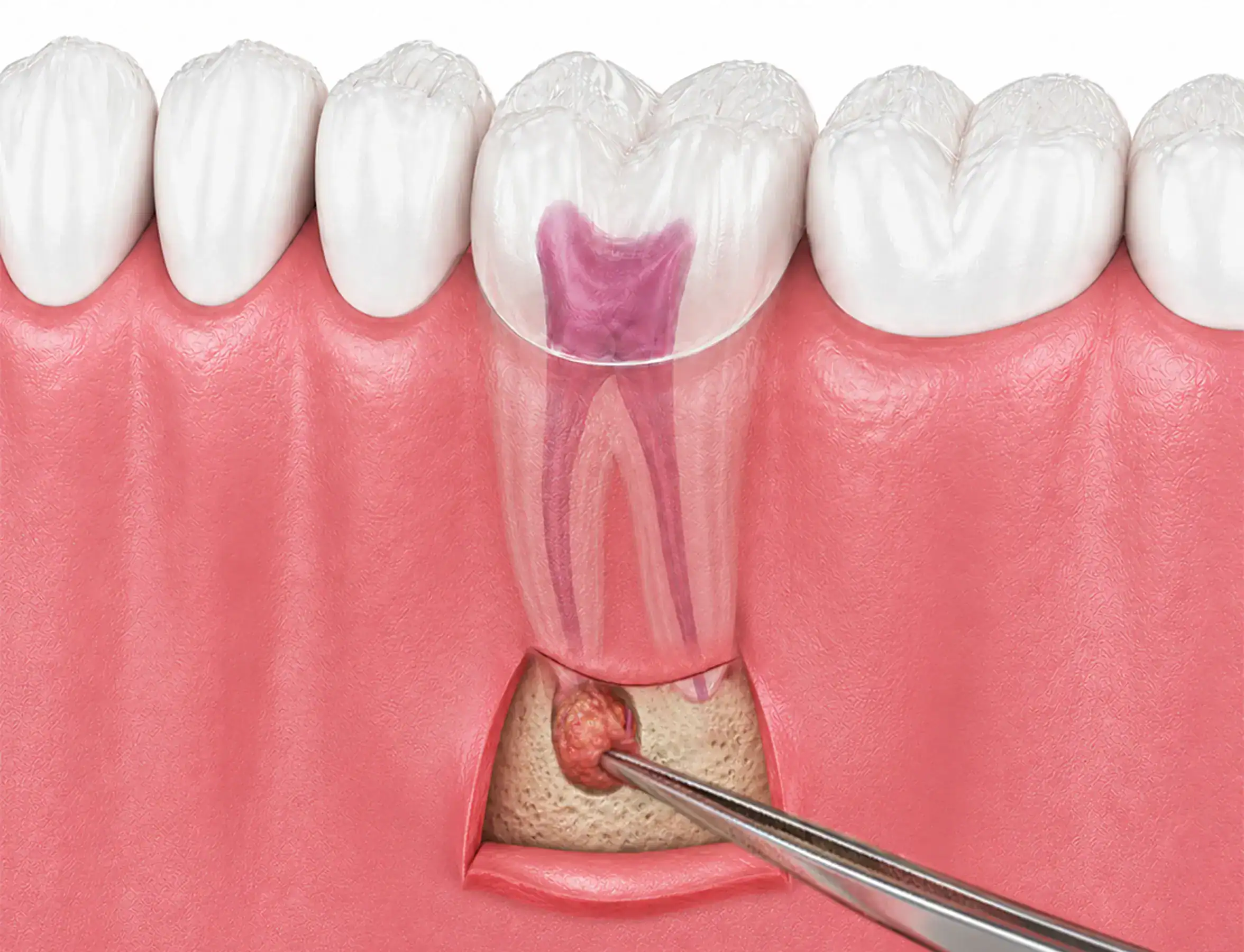
Removing Inflamed or Infected Tissue
Inflamed or infected tissue surrounding the root end is carefully removed so the affected area can be clearly visualized and treated.
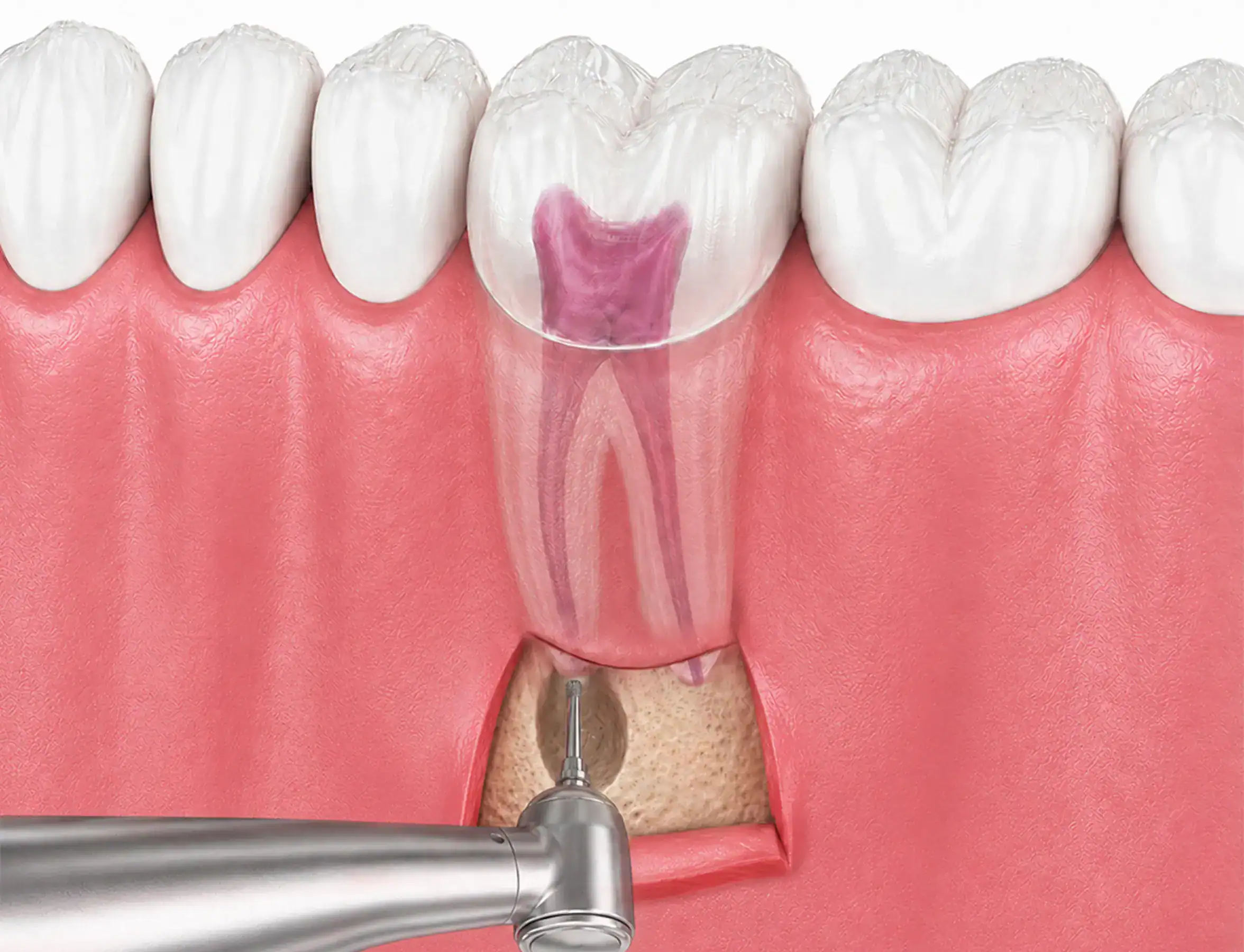
Root-End Resection
A small portion of the root tip is removed to eliminate areas where bacteria or persistent infection may remain.
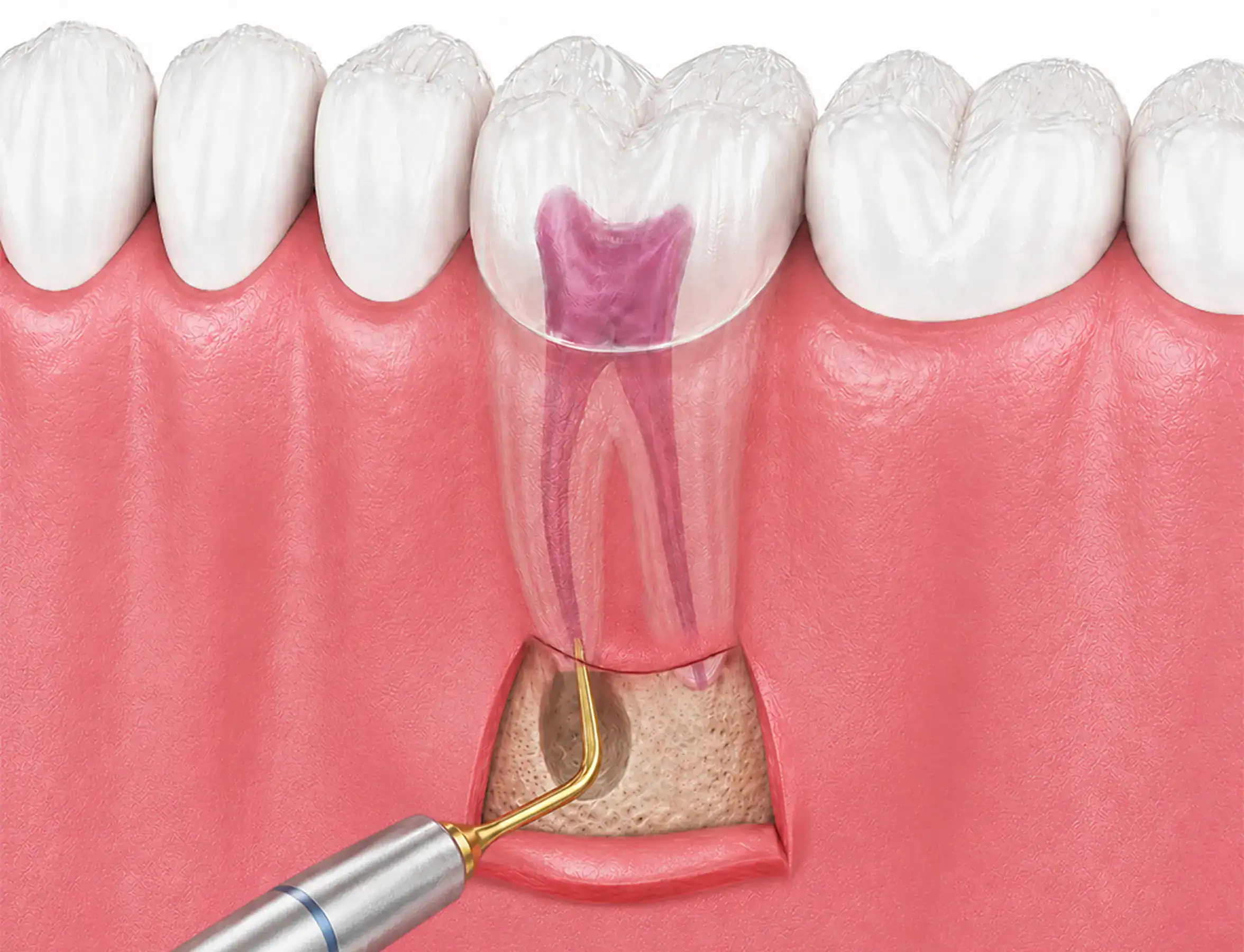
Root-End Preparation
A small preparation is created at the end of the root using specialized microsurgical instruments, providing a clean and stable space for the root-end filling.
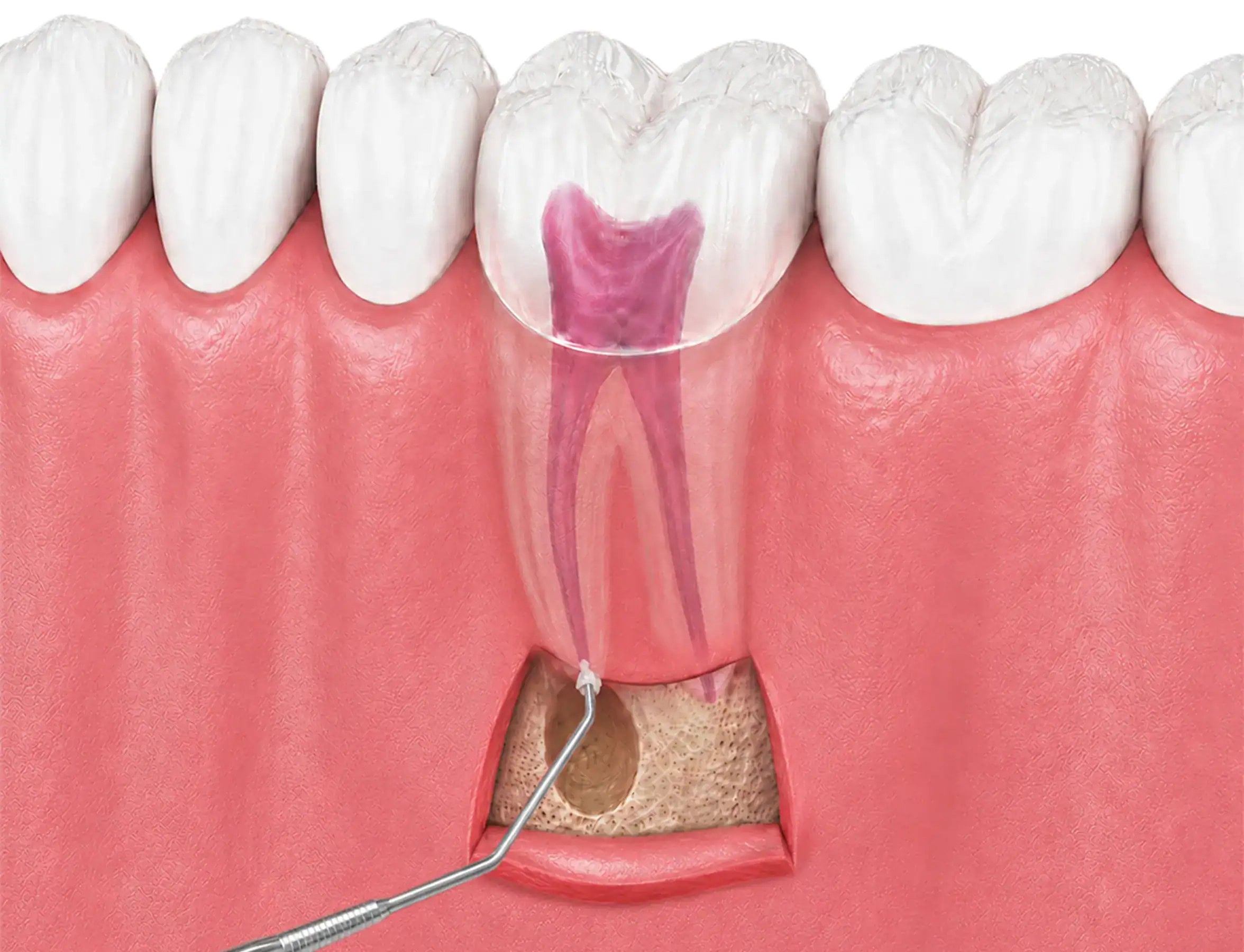
Root-End Filling
A biocompatible material is placed into the prepared root end to create a secure seal and help prevent bacteria from re-entering the canal system.
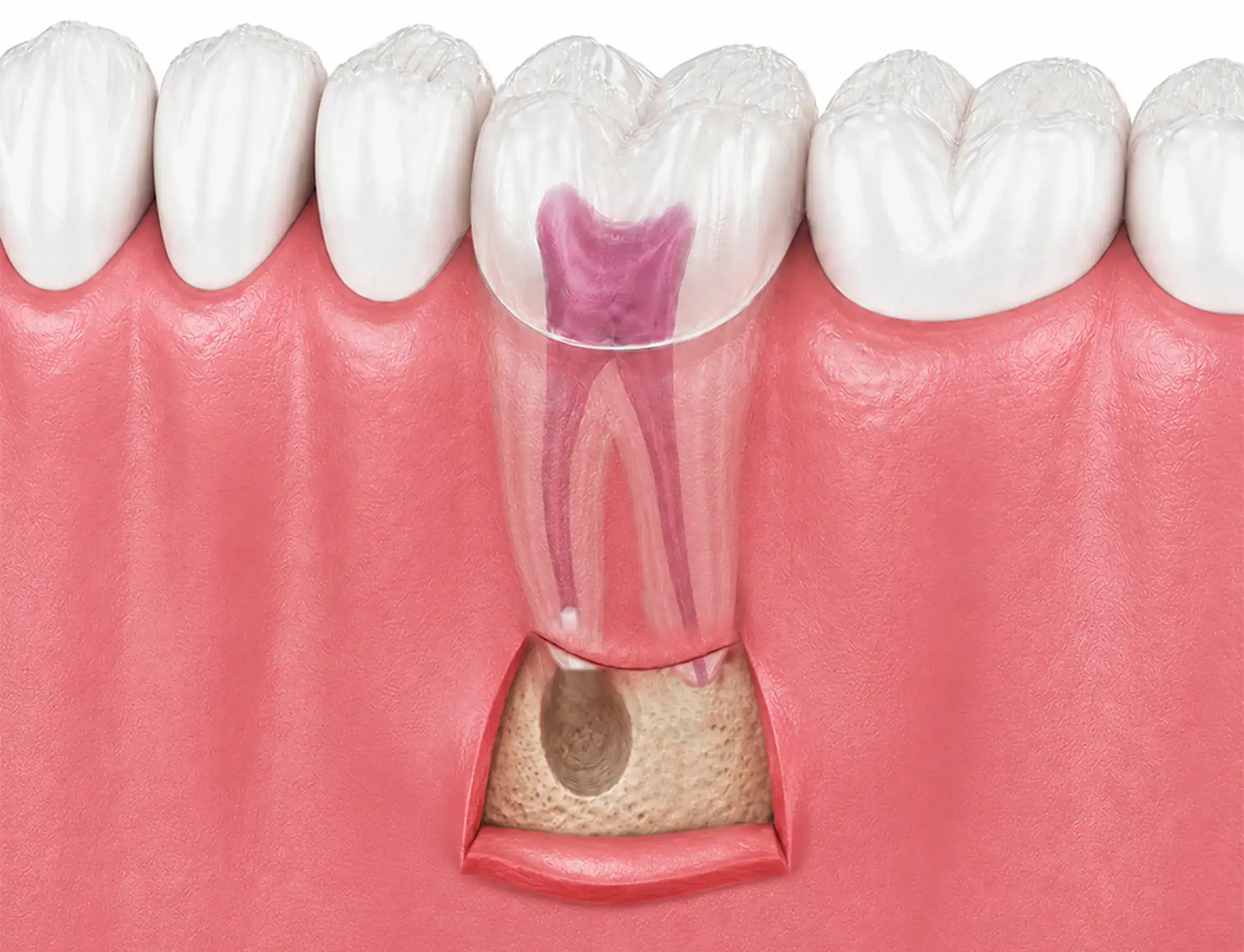
Surgical Site Evaluation
The area is carefully inspected under magnification to confirm the root-end seal and ensure the surgical site is ready for healing.
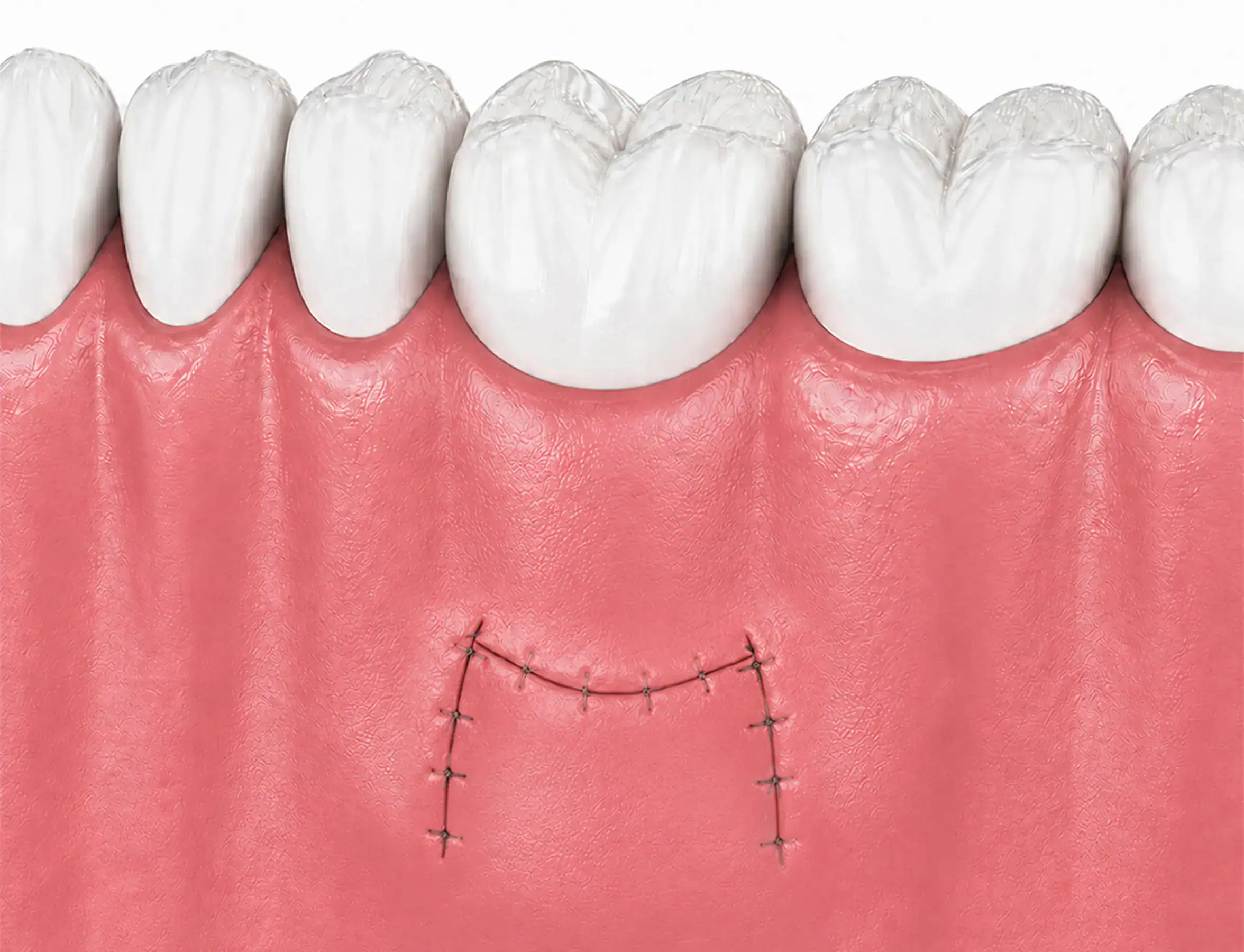
Closure & Follow-Up
The gum tissue is repositioned and sutured. Follow-up visits allows your dentist to monitor the healing of the gum tissue and surrounding bone.
See How Endodontic Surgery Works
See how microsurgical treatment provides direct access to the root tip so persistent infection can be removed and the root end securely sealed.
Recovery After Treatment

Recovery After Endodontic Surgery
Many patients are pleasantly surprised by how manageable recovery after endodontic surgery can be. While every recovery is different, most patients are able to return to many of their normal activities with minimal downtime and find that comfort steadily improves as healing progresses.
As healing progresses, the focus is on a steady return to comfort, normal function, and everyday activities with as little disruption as possible.
After endodontic surgery, many patients experience:
Hear From Our Patients
“I was sent to Dr. Kim as an urgent referral from my dental surgeon after suffering trauma to my mouth. Dr. Kim’s front office staff fit me in immediately, and were very friendly! Dr. Kim was very thorough, gentle, kind and very compassionate! I wholeheartedly recommend Dr. Saehee Kim and Mountain View Endodontics!!”
“Honestly, this is the best dental experience I’ve ever had! Everything was super quick, smooth, and efficient. The front desk, nurse, and doctor were all so kind, gentle, and patient — I didn’t feel any pain at all! The doctor gave clear step-by-step guidance, which made me feel really comfortable even though I usually get nervous at the dentist. It was over way faster than I expected, and everything went perfectly.”
“Dr. Kim was wonderful. She explained everything thoroughly about the treatment and her touch was gentle yet professional. During the treatment, I did not have any discomfort. The staff was really friendly and helpful from the start to the end.
The office was clean and pleasant with full of tech-friendly equipment.
I would recommend her to anyone.”
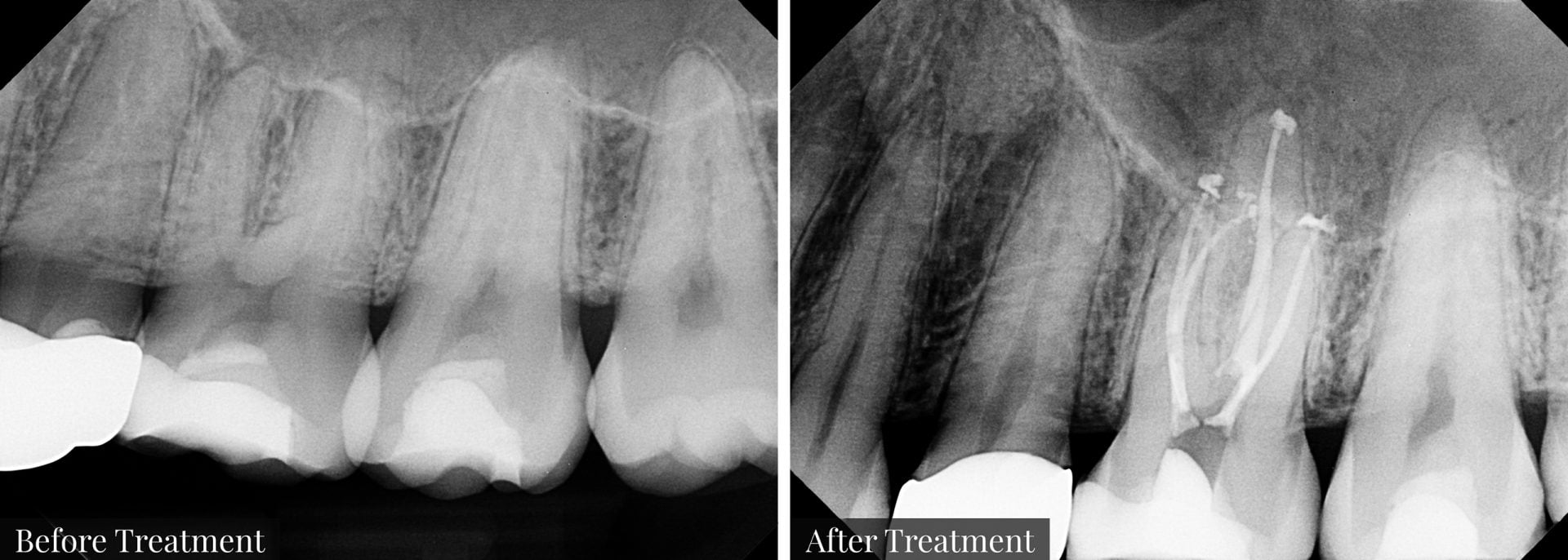
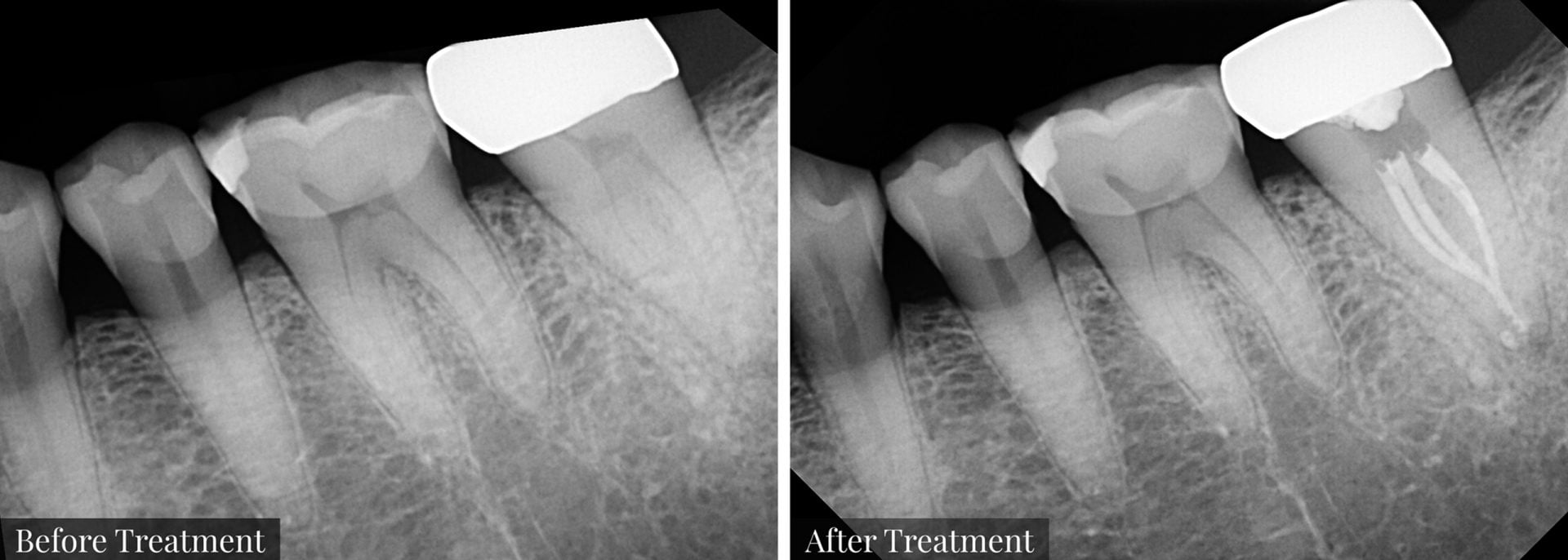
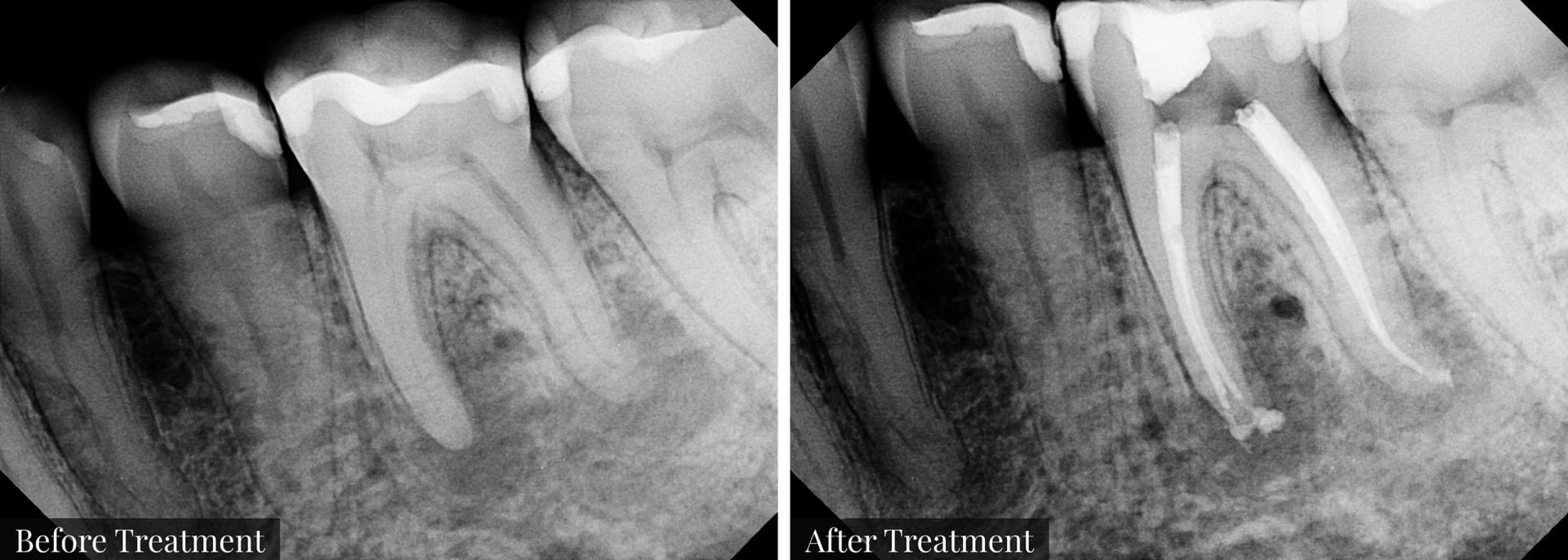
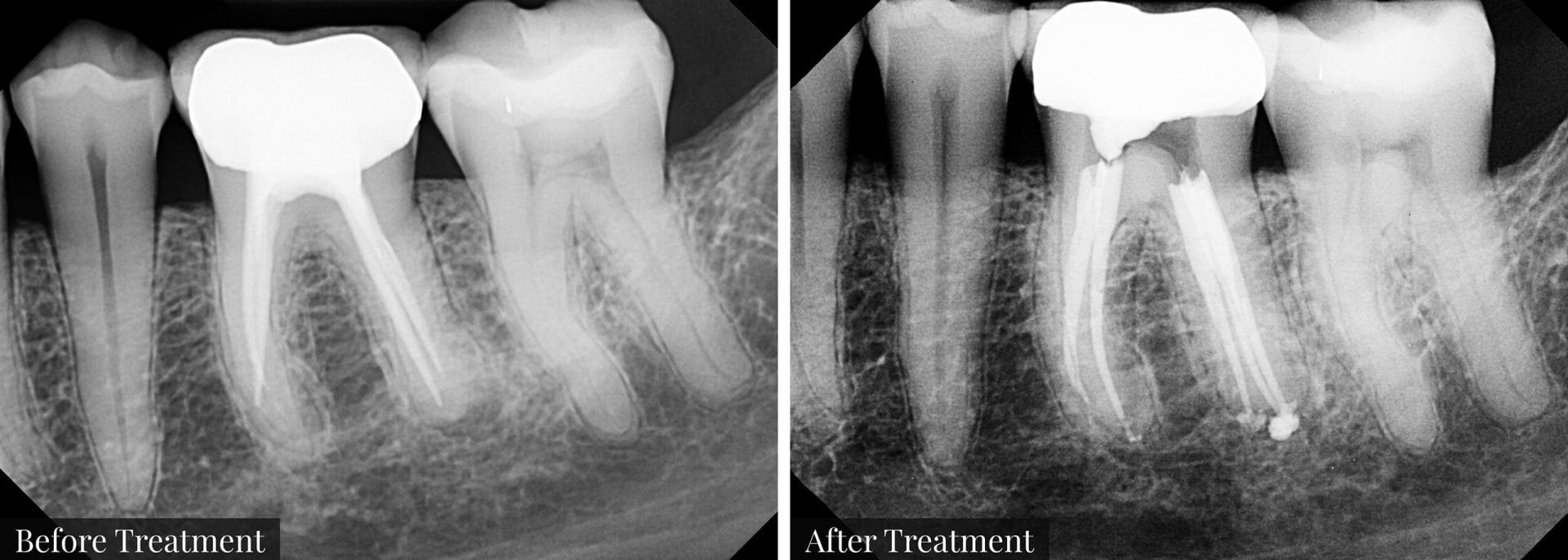
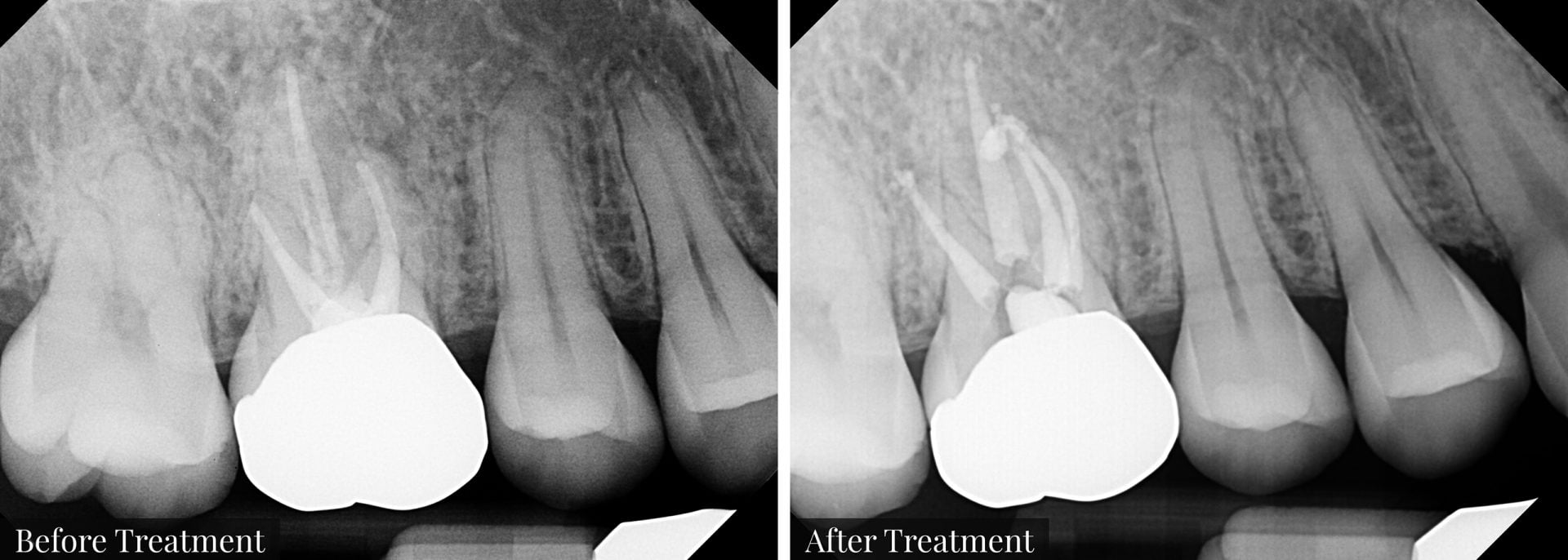
Clinical Treatment Results


Frequently Asked Questions
Common questions about endodontic surgery and recovery

Is endodontic surgery painful?
Endodontic surgery is performed with local anesthesia to thoroughly numb the treatment area, so patients should not feel pain during the procedure. Some pressure or movement may be noticeable, but Dr. Kim takes care to keep patients comfortable and monitors how they are feeling throughout treatment.
How long does endodontic surgery take?
The procedure typically takes 30 to 90 minutes, depending on the complexity of the case and the tooth being treated.
Will I need a crown after surgery?
In many cases, the tooth’s existing restoration can remain in place because endodontic surgery accesses the tooth through the gum near the root rather than through the crown. Dr. Kim will evaluate the condition of the tooth and let you know if additional restorative care is recommended.
When can I eat after the procedure?
You can eat once the numbness subsides, but it’s best to stick to soft foods and avoid chewing near the surgical site during the initial healing period.

Expert Care When You Need It Most
Advanced endodontic treatment focused on saving natural teeth and restoring comfort.