


Endodontic Retreatment
Restore health to a previously treated tooth with precise, advanced care.
What is Endodontic Retreatment?
Understanding Endodontic Retreatment
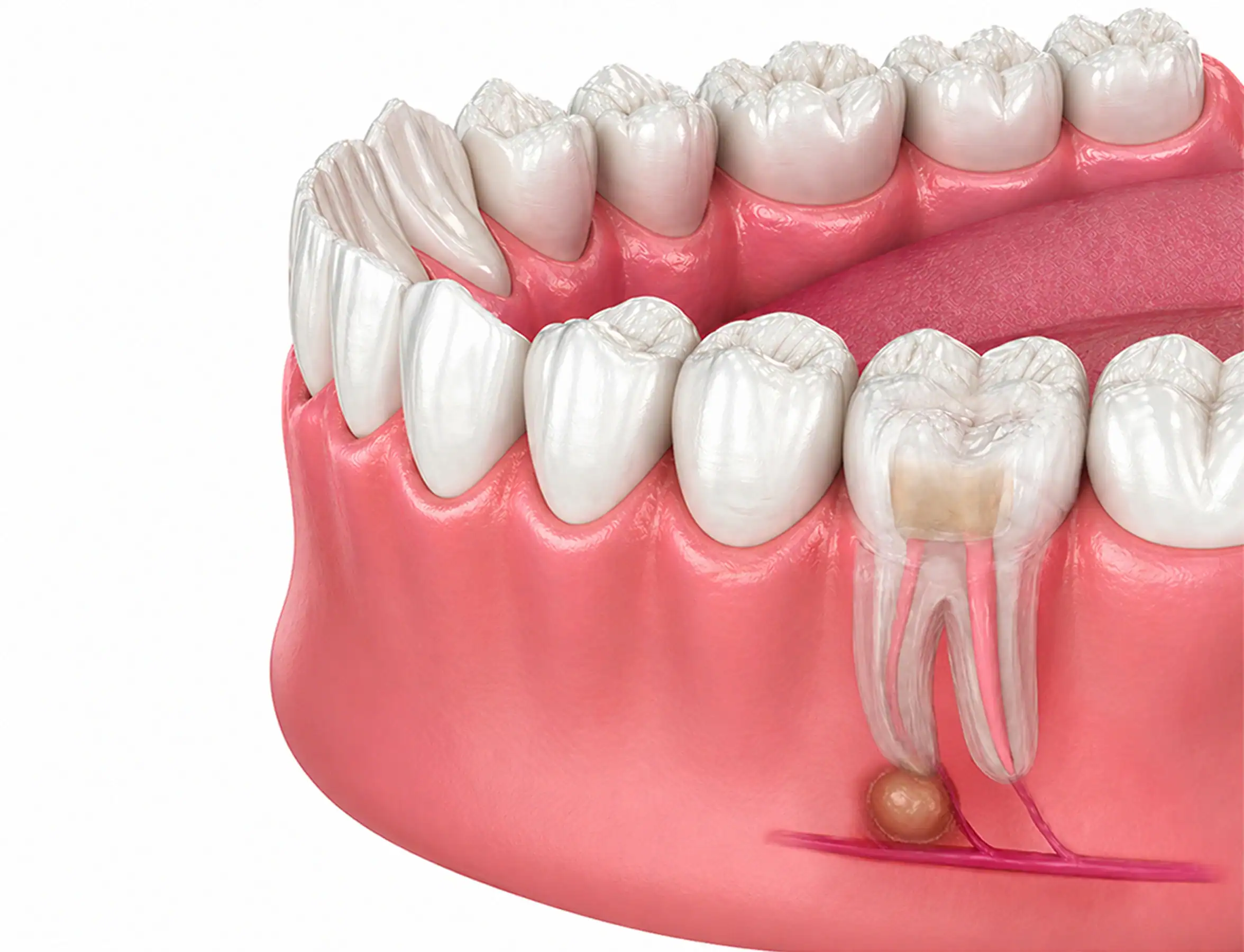
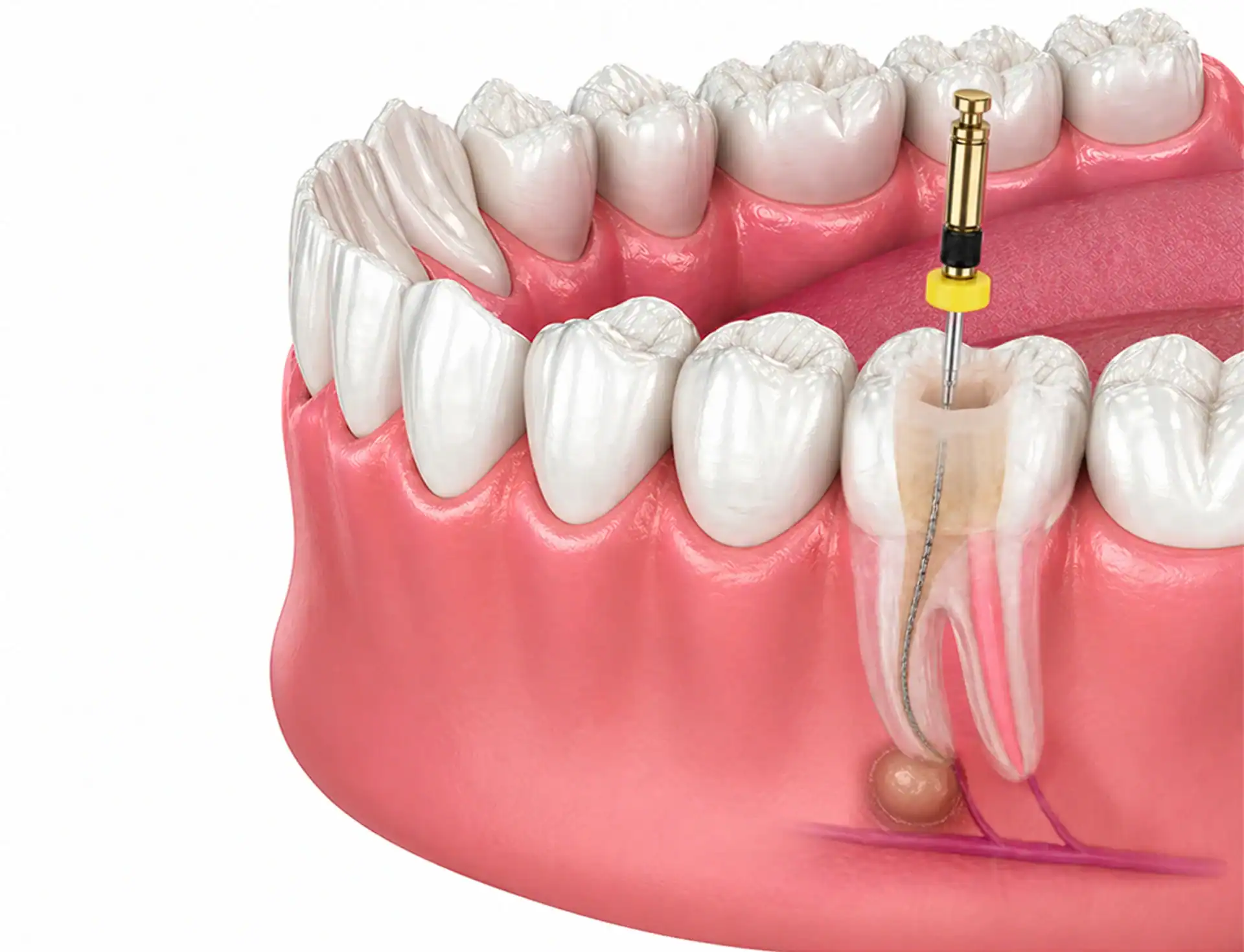
A previously treated tooth can sometimes develop new or persistent problems months or even years after root canal treatment. Endodontic retreatment gives the tooth another opportunity to heal by reopening the canal system, removing the previous filling material, and addressing infection, missed anatomy, or other factors affecting the original treatment.
At Mountain View Endodontics, advanced imaging and enhanced magnification help us evaluate previously treated teeth in greater detail, identify potential sources of persistent infection, and determine whether retreatment can help preserve your natural tooth.
Signs You May Need Endodontic Retreatment

Signs that a previously treated tooth may need further evaluation
A tooth that has undergone root canal treatment may require retreatment if symptoms return or new problems develop. Signs may include:

The Endodontic Retreatment Process
Evaluation & Diagnosis
The previously treated tooth is carefully evaluated using a clinical examination and digital imaging to identify the source of the problem and determine whether retreatment is appropriate.
Access & Removal of Previous Materials
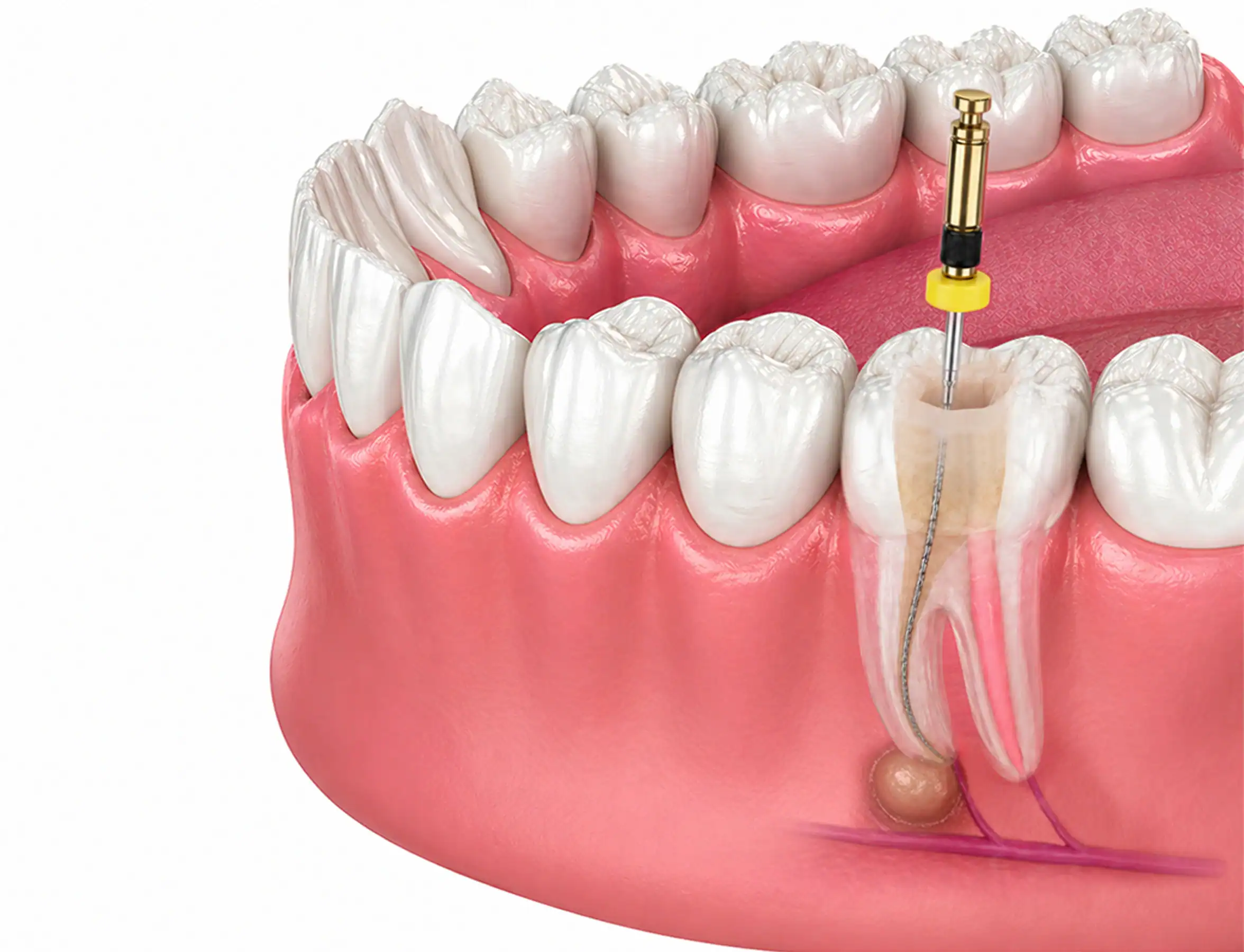
The tooth is reopened, and existing restorative and root canal filling materials are carefully removed to regain access to the canal system.
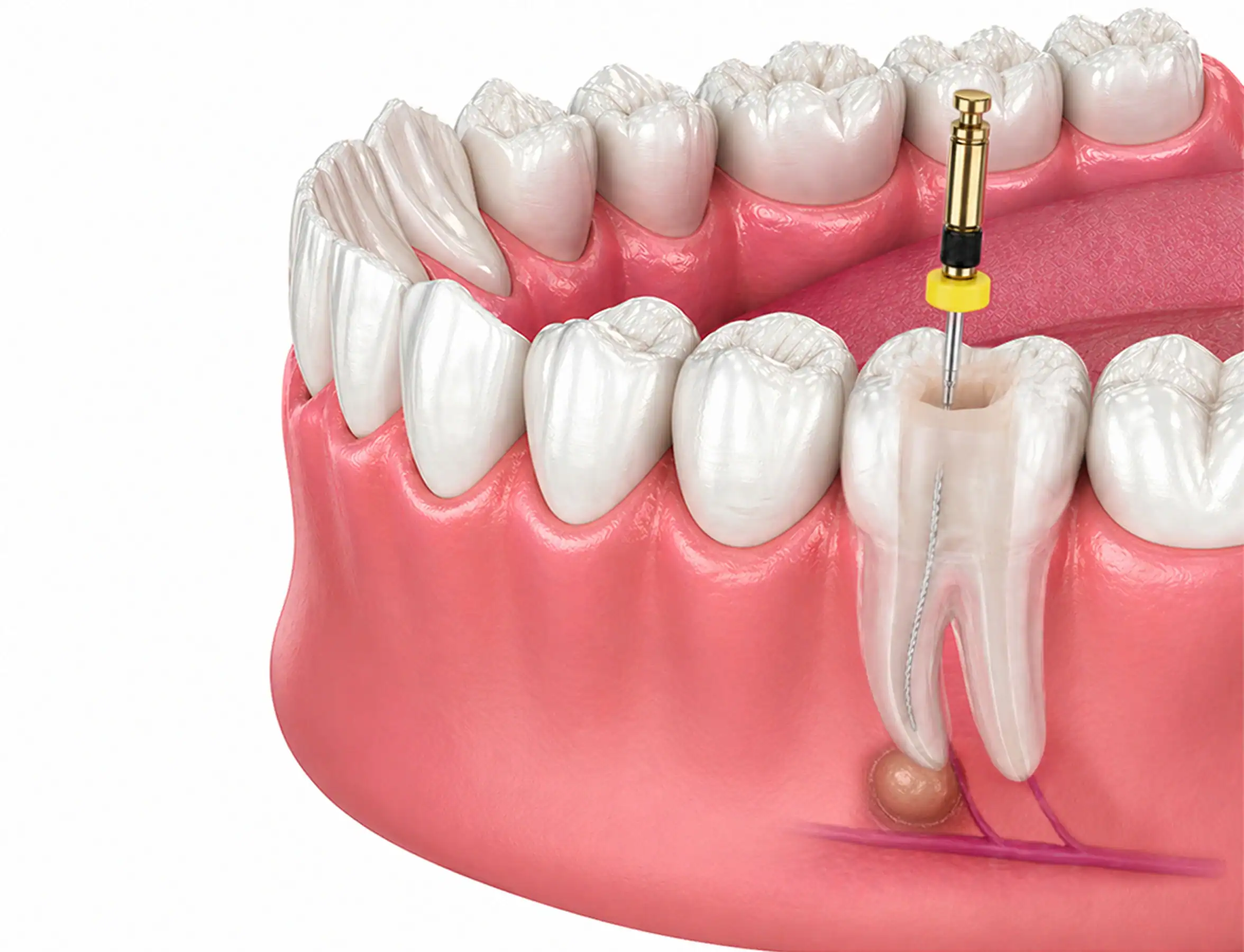
Canal Exploration
Using enhanced magnification and specialized techniques, the canal system is carefully examined for untreated anatomy, hidden canals, obstructions, or other factors that may have contributed to persistent infection.
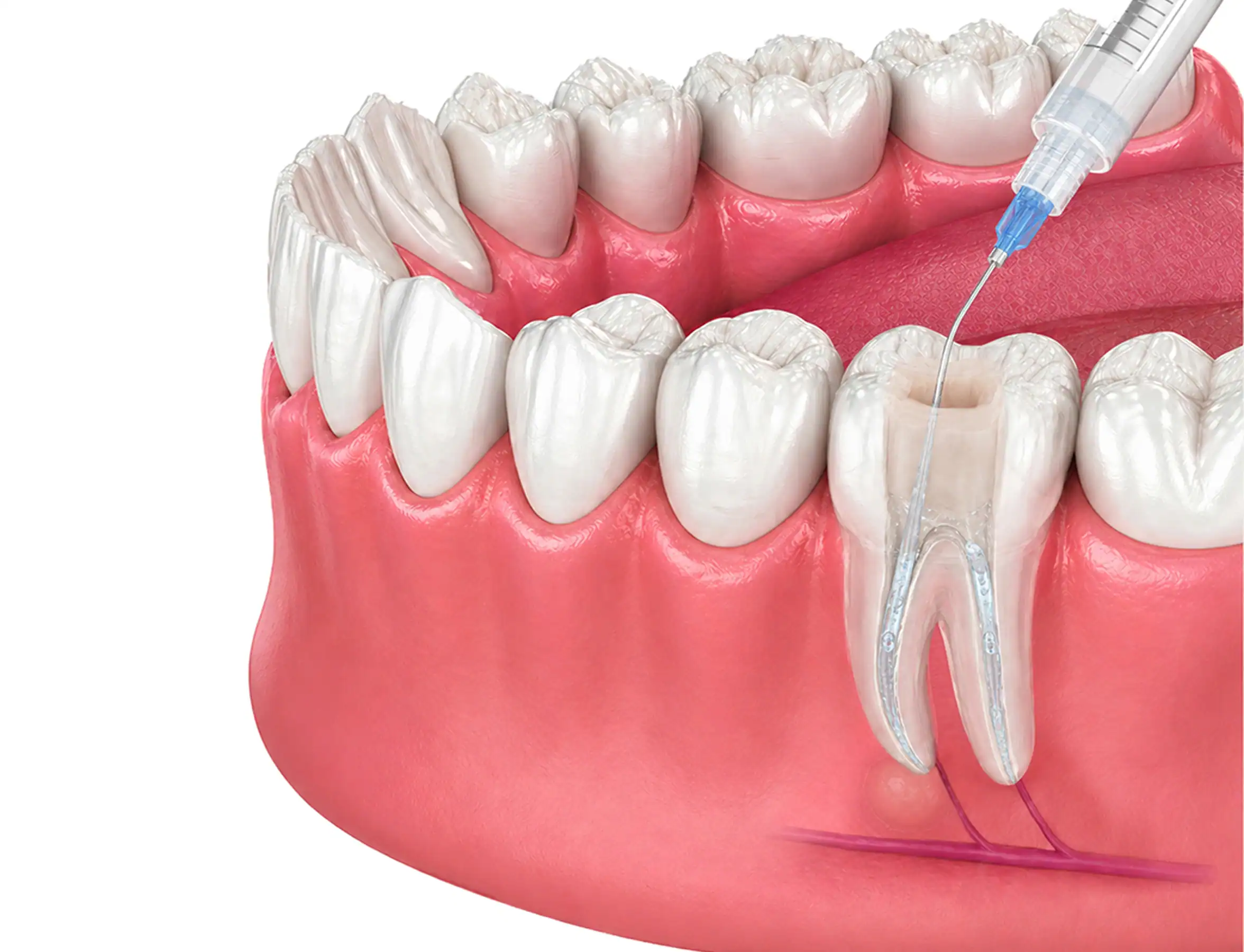
Cleaning & Disinfection
The canals are thoroughly cleaned, shaped, and disinfected to remove bacteria, debris, and remaining contaminants from inside the tooth.
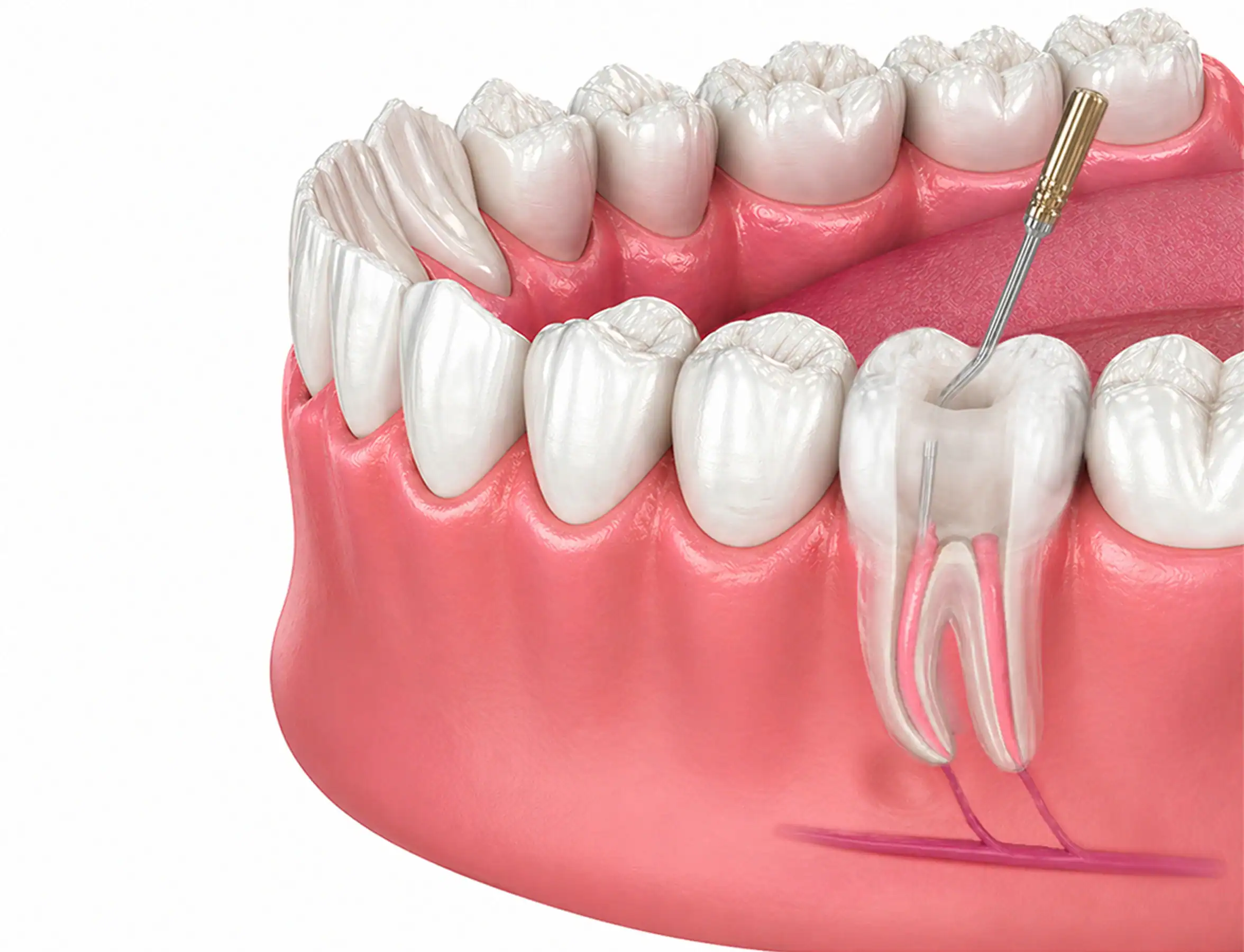
Filling & Sealing
Once the canals have been cleaned and prepared, they are filled with a biocompatible material and carefully sealed to help prevent bacteria from re-entering the root canal system.
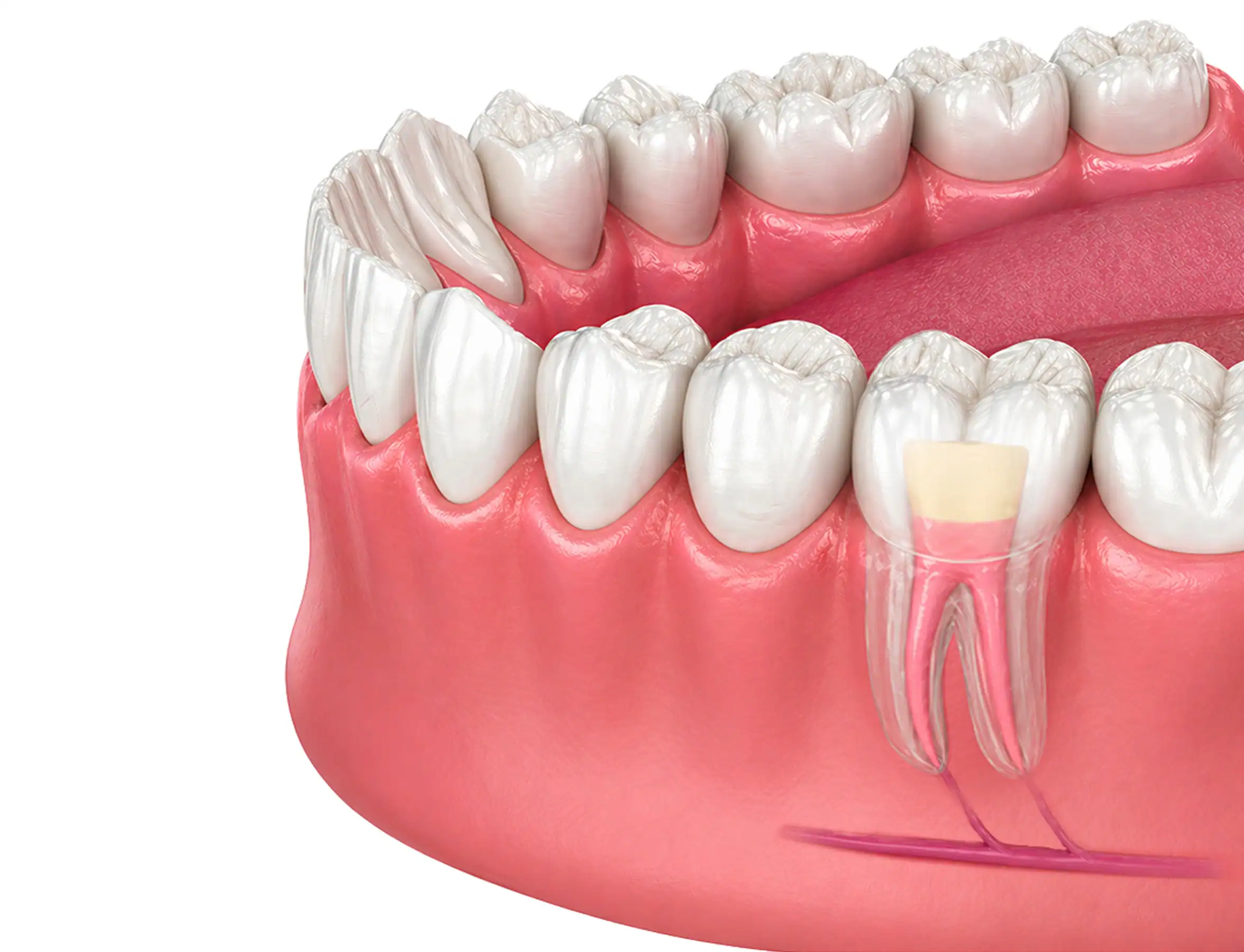
Restoration & Follow-Up
A temporary or permanent restoration is placed as appropriate, and your dentist may complete the final restoration. Follow-up evaluations allow us to monitor healing around the tooth.
See How Endodontic Retreatment Works
See how a previously treated tooth can be reopened, cleaned, disinfected, and sealed to address persistent or recurring infection.
Recovery After Treatment

Moving Forward After Root Canal Retreatment
Root canal retreatment gives a previously treated tooth another opportunity to heal and remain a healthy, functional part of the smile. Some temporary tenderness or sensitivity can occur after treatment as the tooth and surrounding tissues settle, but comfort should generally improve as healing progresses.
For many patients, retreatment can help resolve the symptoms that brought them back for care while providing another opportunity to keep the natural tooth rather than replace it. With successful treatment and appropriate restorative care, a retreated tooth can continue to function well for many years.
After root canal retreatment, patients may experience:
Hear From Our Patients
“I was sent to Dr. Kim as an urgent referral from my dental surgeon after suffering trauma to my mouth. Dr. Kim’s front office staff fit me in immediately, and were very friendly! Dr. Kim was very thorough, gentle, kind and very compassionate! I wholeheartedly recommend Dr. Saehee Kim and Mountain View Endodontics!!”
“Honestly, this is the best dental experience I’ve ever had! Everything was super quick, smooth, and efficient. The front desk, nurse, and doctor were all so kind, gentle, and patient — I didn’t feel any pain at all! The doctor gave clear step-by-step guidance, which made me feel really comfortable even though I usually get nervous at the dentist. It was over way faster than I expected, and everything went perfectly.”
“Dr. Kim was wonderful. She explained everything thoroughly about the treatment and her touch was gentle yet professional. During the treatment, I did not have any discomfort. The staff was really friendly and helpful from the start to the end.
The office was clean and pleasant with full of tech-friendly equipment.
I would recommend her to anyone.”
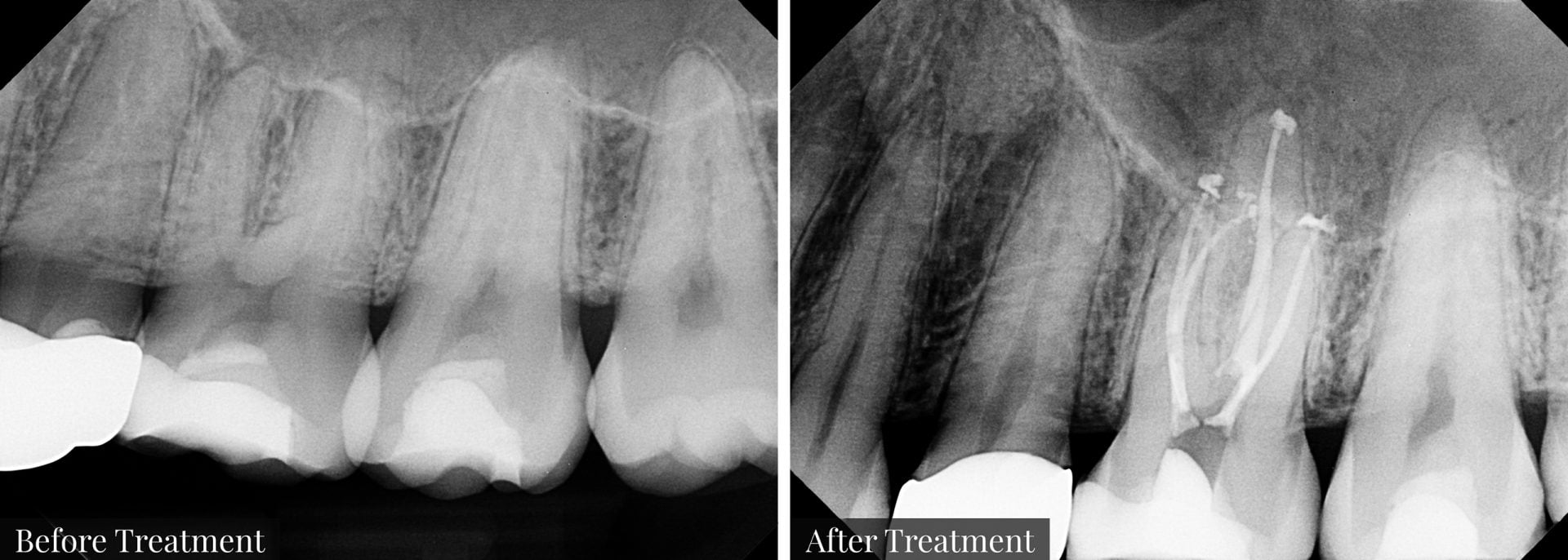
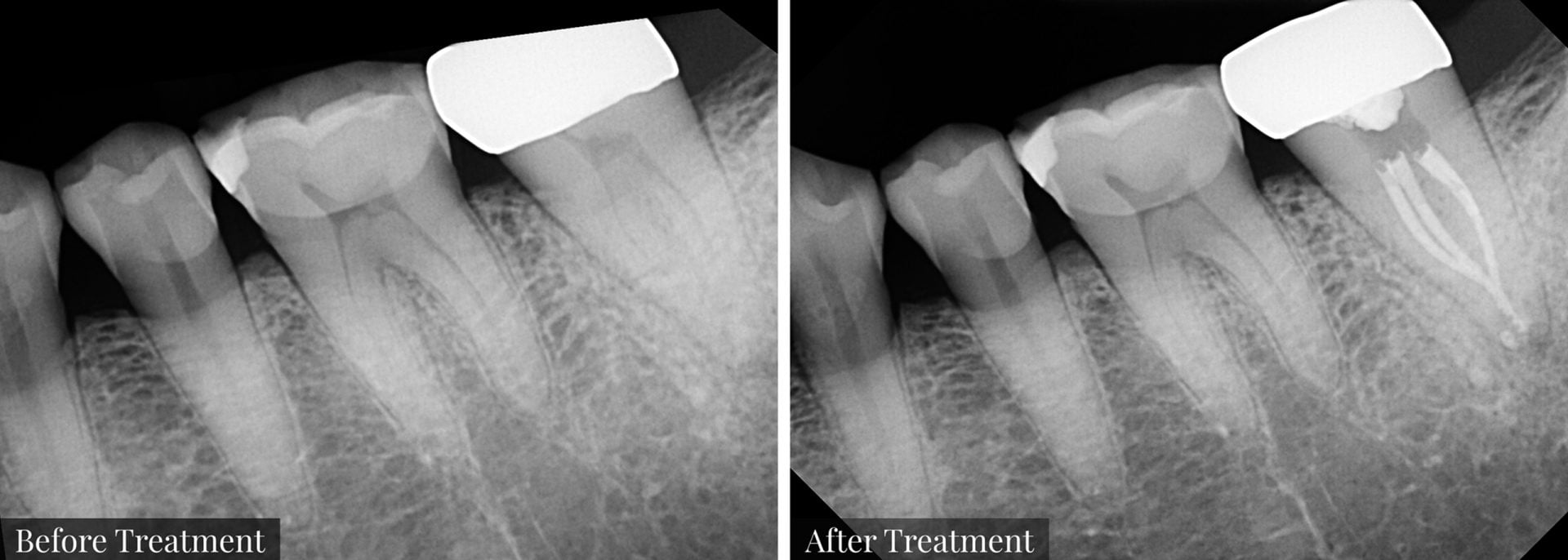
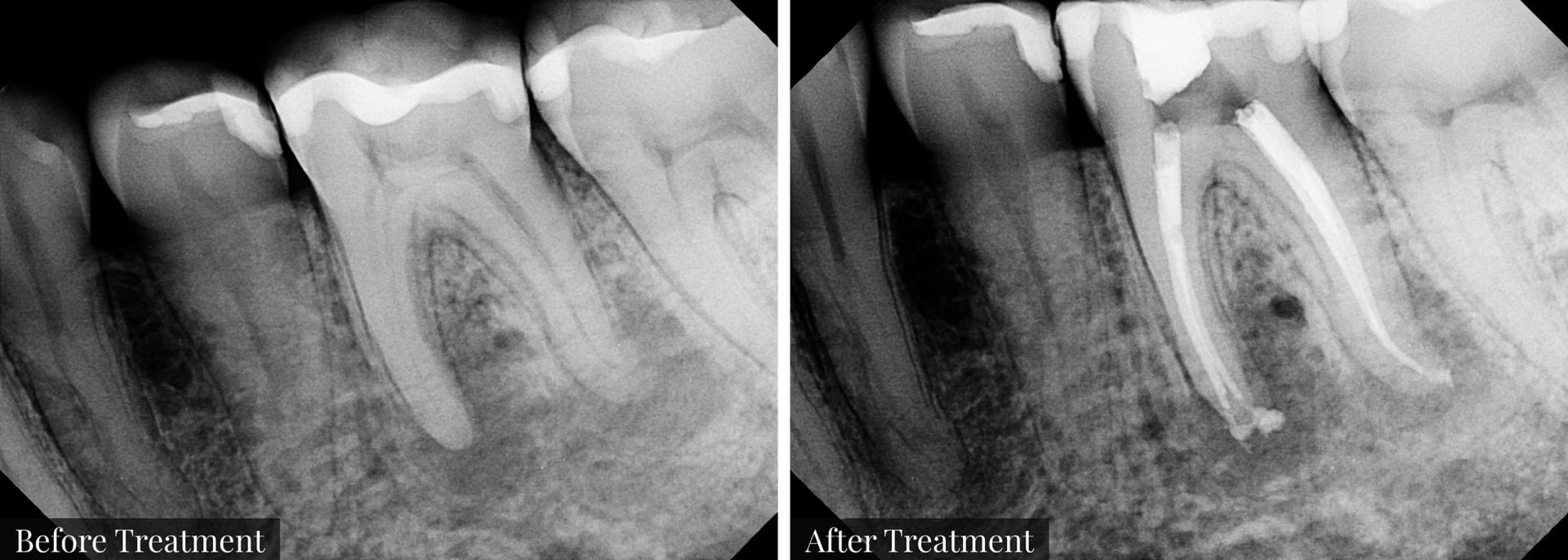
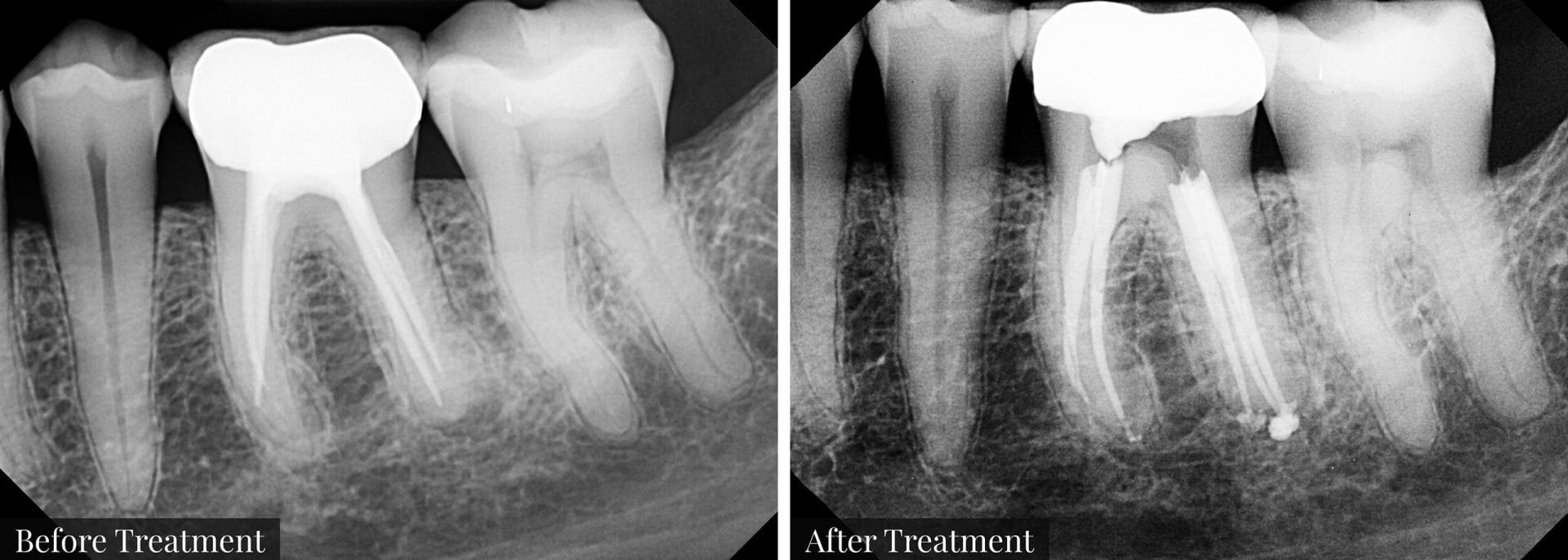
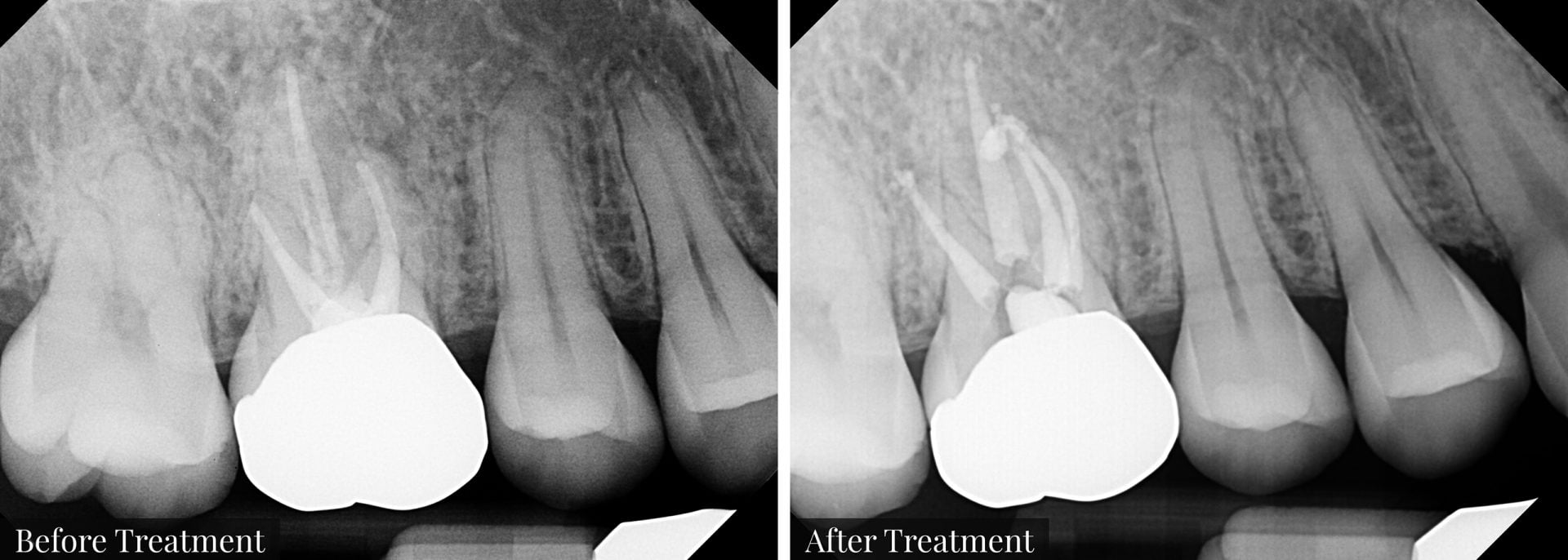
Clinical Treatment Results


Frequently Asked Questions
Common questions about retreatment and recovery

Is endodontic retreatment more painful than a root canal?
Retreatment is designed to relieve discomfort caused by infection. With modern anesthesia and techniques, most patients experience little to no pain during the procedure.
Why would a root canal need retreatment?
In some cases, complex canal anatomy, delayed restoration, or new decay can allow bacteria to re-enter the tooth. Retreatment addresses these issues to restore health.
How long does retreatment take?
The procedure may require one or more visits depending on the complexity of the tooth, the existing restoration, and the anatomy of the root canal system. Dr. Kim will explain what to expect after evaluating your specific case.
When can I eat after retreatment?
You can typically eat once numbness wears off, but it’s best to avoid chewing on the treated side until the final restoration is placed.

Expert Care When You Need It Most
Advanced endodontic treatment focused on saving natural teeth and restoring comfort.